Key Points
- Staggering Electoral Defeat: Texas Republicans are navigating the aftermath of a historic midterm election loss, surrendering their decades-long grip on state government after Democrats secured key executive and legislative seats.
- Key Statewide Results: Democrat James Talarico defeated incumbent Republican Attorney General Ken Paxton in the race for the U.S. Senate, while Gina Hinojosa secured election as Governor-elect of Texas.
- Faith Community Responses: At Mercy Culture Austin, Pastor Isaac Hector called on his congregation to pray for Senator-elect Talarico, urging conservative churchgoers to shift focus from partisan despair toward spiritual resilience.
- Policy and Economic Concerns: Grassroots voters across rural and suburban Texas expressed deep anxieties over potential tax increases, energy sector regulations, healthcare changes, and the possible rollback of private school voucher programs.
- Party Leadership Reckoning: Regional GOP leaders cited candidate quality, weak voter outreach, and national issues like tariffs and the conflict involving Iran as major contributors to the defeat, while youth leaders warned of severe institutional knowledge loss.
Texas (Texas 24 News) November 10, 2026 – Republican Party leaders, grassroots activists, and conservative voters across Texas are processing a sweeping political defeat following the 3 November midterm elections, which saw the Democratic Party break a thirty-year GOP stronghold to capture major statewide offices. As reported by political reporters baseline coverage for The Texas Tribune, the unexpected realignment was cemented by Democratic victories in high-profile races, including state Representative James Talarico’s election to the U.S. Senate over Republican incumbent Attorney General Ken Paxton, and Representative Gina Hinojosa’s victory in the Texas gubernatorial contest. From mega-churches in Austin to small-town diners in East Texas and party headquarters in the Permian Basin, conservative communities are grappling with disbelief and fear while attempting to chart a path toward rebuilding their political infrastructure.
- How Are Texas Faith Communities Navigating the Shift in Political Power?
- What Primary Concerns Are Grassroots Conservative Voters Expressing Across Texas?
- Why Do Local GOP Leaders Believe the Republican Party Lost Texas?
- How Are Young Republicans Planning to Rebuild the Party Infrastructure?
- Background of the Particular Development After the News
- How This Development Can Affect Conservative Activists, State Business Coalitions, and Legislative Policymakers
How Are Texas Faith Communities Navigating the Shift in Political Power?
According to reporting published by The Texas Tribune, conservative religious institutions across the state—many of which integrated political activism into their core ministry—are encouraging congregants to process the election through faith rather than partisan despair.
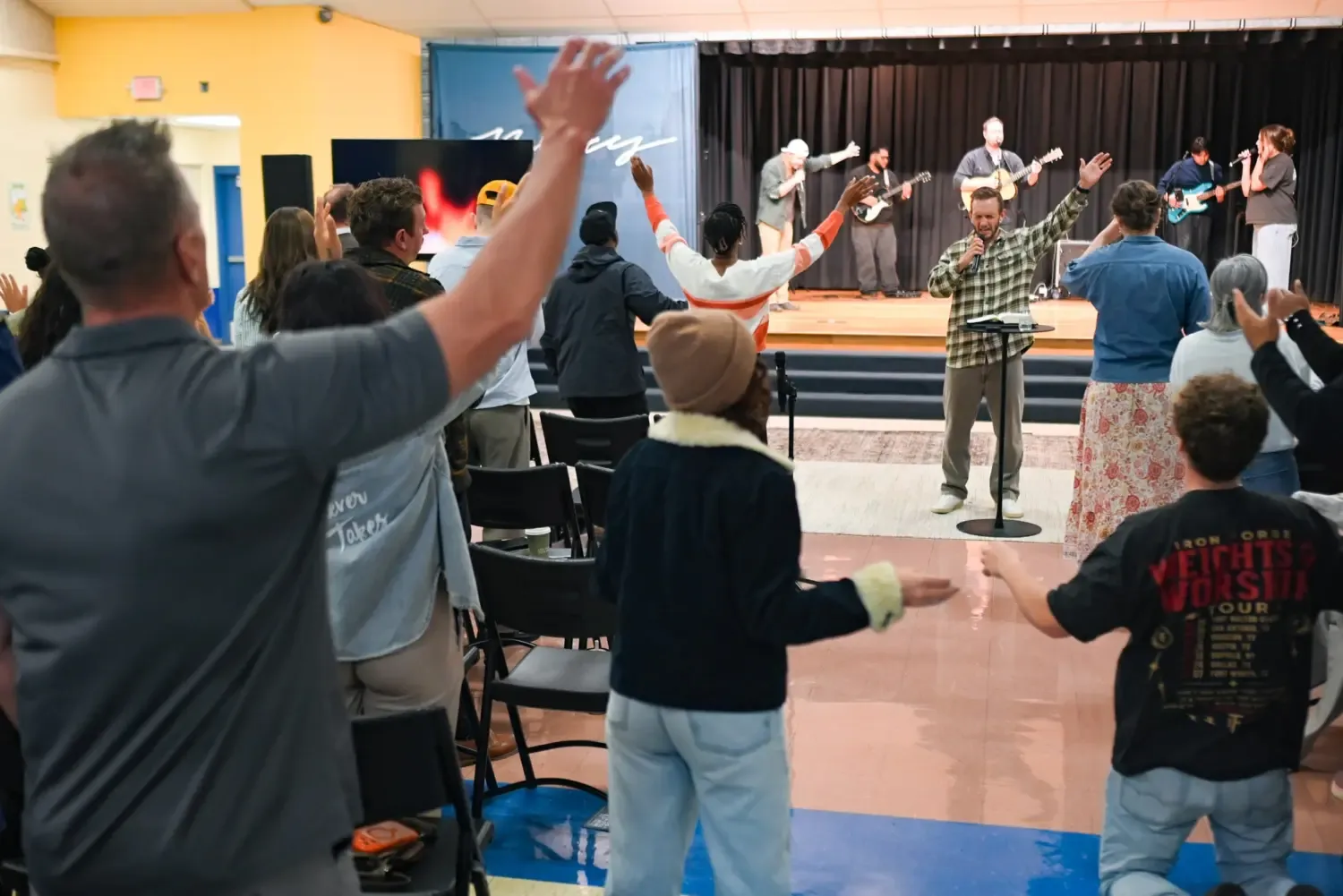
At Lee Lewis Campbell Elementary School in Austin, which serves as a makeshift home for Mercy Culture Austin, attendees gathered on Sunday for prayer, music, and spiritual counsel:
- Call for Prayer for Elected Officials: Pastor Isaac Hector, who publicly opposed Democrat James Talarico during the campaign, addressed his congregation regarding the Senate outcome, stating that he would pray for Talarico and urging church members to follow suit.
- Focus on Spiritual Warfare: Addressing the congregation’s grief, Pastor Isaac Hector stated: “Y’all gotta find a little greater resistance in you. What are you resisting? Political parties? No, you’re resisting the demonic forces that are coming against us at this time.”
- Role of Politically Active Networks: Mercy Culture, which originated in the Dallas-Fort Worth area and includes former conservative state Representative Nate Schatzline as a pastor, operates a political arm known as For Liberty & Justice that fielded and endorsed dozens of conservative candidates during the 2026 cycle.
As reported by The Texas Tribune, church members such as 42-year-old Erin Stetson—who relocated from California to Texas in 2016—expressed concern that incoming Democratic lawmakers might dismantle the state’s private school voucher program, which she utilizes for home-schooling her children. However, Stetson reflected the pastor’s message, stating: “It doesn’t matter what Democrats decide they want to do — our faith isn’t in what politicians are doing. We know that Jesus is the highest authority.”
What Primary Concerns Are Grassroots Conservative Voters Expressing Across Texas?
According to interviews conducted across rural and suburban communities by reporters for The Texas Tribune, everyday voters are expressing deep unease regarding how Democratic control will alter the state’s economic, regulatory, and social landscape.
In the East Texas town of Burke, conservative residents expressed acute economic concerns:
- Taxation and Energy Fears: Jack Phillips, a California transplant residing in Burke, voiced concern that Democratic control would lead to sharp tax hikes. As reported by The Texas Tribune, Jack Phillips stated: “Our taxes are going to go through the roof. I think you’re going to see taxes on fuel. I think you’re going to find that you now have a higher property tax. They’re gonna find a way to just tax anything you need or want.” Phillips further expressed anxiety over potential redrawing of political maps, state energy regulations affecting oil and gas, and potential changes to healthcare systems while undergoing cancer treatment.
- Small Business and Regulatory Anxiety: In downtown Bastrop, small-business owners Rhonda Gannon and Kari Sneed shared concerns regarding taxation and cultural policies in public schools, particularly regarding transgender participation in sports.
- Openness to Governor-Elect Hinojosa: Despite their misgivings, both business owners signaled a willingness to give Governor-elect Gina Hinojosa a chance to govern. As reported by The Texas Tribune, Kari Sneed stated: “I have hopes for Gina, I’ve heard some of the things she says, I’m trying to keep a really open mind and hope that she does do some of the things that she’s saying. She doesn’t have all bad ideas.”
As highlighted by The Texas Tribune, this mix of skepticism and guarded pragmatic observation reflects how conservative voters are adjusting to an unfamiliar political environment.
Why Do Local GOP Leaders Believe the Republican Party Lost Texas?
According to local Republican Party officials in West Texas interviewed by The Texas Tribune, the midterm losses were driven by a combination of voter complacency, candidate selection issues, and national economic and foreign policy headwinds.
Party chairs in the Permian Basin pointed to structural flaws in the GOP’s campaign apparatus:
- Disconnection and Lack of Outreach: Midland County GOP Chair James Beauchamp, who has led the local party for nearly 20 years, stated that long-term power caused the party to take voters for granted. As reported by The Texas Tribune, James Beauchamp stated: “I don’t think there was any real outreach. And I think part of that’s because Republicans were in power so long that they just kind of forgot about that, and just assumed those people were with them and they were going to break for them … like they had in previous years.”
- Candidate Quality and Door-to-Door Pushback: Ector County GOP Chair Donna Kelm reported encountering disaffected voters while canvassing in Odessa who refused to support certain Republican nominees or chose to sit out the election entirely.
- Impact of National Issues: Donna Kelm noted that public anxiety over foreign policy decisions, including the war involving Iran and foreign trade tariffs, hurt Republican turnout. As reported by The Texas Tribune, Donna Kelm stated regarding long-term security strategy versus short-term voter reactions: “They look at the short result, and that was the thing with this war. They’re only looking at what’s happening right this moment.”
Local leaders agreed that rebuilding the party will require open conversations regarding candidate vetting and renewed engagement on core economic issues.
How Are Young Republicans Planning to Rebuild the Party Infrastructure?
According to youth party organizers cited by The Texas Tribune, the loss of state executive power represents both a severe structural setback and an immediate catalyst for organizational reform.
Young conservatives in Austin expressed contrasting views on the path forward:
- Loss of Institutional Knowledge: Benjamin Shrader, 28, chairman of the Austin Young Republicans, warned of the catastrophic long-term consequences of losing entrenched state administrative staff and party infrastructure. As reported by The Texas Tribune, Benjamin Shrader stated: “It is the institutional knowledge loss that is the most catastrophic failure of Nov. 3. That is something that the party will take decades to recover from, even when we return to power.” Shrader emphasized that the party must prepare immediately for the 2028 election cycle to prevent Texas from becoming a permanently blue state.
- Opportunity for Party Reform: Thien Nguyen, 20, president of the College Republicans at the University of Texas at Austin, viewed the defeat as a necessary opportunity to overhaul internal leadership. As reported by The Texas Tribune, Thien Nguyen stated: “My biggest hope: big changes for the party. We need to reform it to focus on the citizens and from there, we retake Texas.”
As reported by The Texas Tribune, the debate between preserving established party networks and enacting structural reform will define the GOP’s strategy ahead of upcoming election cycles.
Background of the Particular Development After the News
The Republican Party held unbroken dominance over Texas state politics for three decades, beginning with George W. Bush’s election as Governor in 1994. By the late 1990s, Republicans occupied every statewide elected office in the executive branch, held majorities in both chambers of the Texas Legislature, and controlled the state Supreme Court and Court of Criminal Appeals. This period of unified control allowed the party to enact sweeping conservative legislative priorities, including business deregulation, low corporate and personal tax structures, restrictive abortion measures, border security funding, and educational reform initiatives like private school vouchers.
However, demographic shifts and rapid population growth in major metropolitan hubs—such as Houston, Dallas-Fort Worth, Austin, and San Antonio—gradually altered the state’s political geography over the 2010s and early 2020s. Suburbs that historically anchored the conservative base began leaning toward Democrats, driven by an influx of out-of-state workers, expanding diverse populations, and shifting suburban voter preferences. The 2026 midterm elections represented the culmination of these long-term demographic and political trends, compounded by voter fatigue, intense primary battles within the Texas GOP, and national economic policy debates that eroded Republican margins across suburban and mid-sized urban counties.
How This Development Can Affect Conservative Activists, State Business Coalitions, and Legislative Policymakers
The political realignment in Texas following the 2026 midterm elections will generate significant operational shifts for conservative advocacy networks, corporate trade groups, and incoming legislative leaders.
Impact on Conservative Advocacy and Religious Grassroots Organizations
For politically active faith networks and conservative advocacy groups like For Liberty & Justice, the loss of a friendly executive branch and Senate majority will necessitate a fundamental pivot in strategy. Rather than driving primary challenges against moderate Republicans, these organizations will shift toward defensive lobbying, grass-roots organizing, and legal challenges against new state regulations. Conservative groups will need to focus heavily on voter registration and message refinement around parental rights and local economic stability to re-engage disaffected suburban voters before the 2028 cycle.
Impact on the Texas Business Community and Corporate Trade Associations
For the Texas business community, energy sector executives, and real estate developers, a Democratic administration under Governor-elect Gina Hinojosa introduces a new regulatory environment. Corporate trade associations will re-evaluate their legislative strategies, seeking compromise on state tax policies, environmental oversight, and infrastructure spending while lobbying to protect the state’s favorable business climate. Companies operating in the oil and gas sector may accelerate investments in carbon capture and clean energy initiatives to align with potential state-level environmental mandates.
Impact on State Legislative Dynamics and Policy Implementation
For state lawmakers in the Texas Capitol, the end of unified Republican control guarantees a shift toward bipartisan negotiation. Democratic leaders will push to expand public education funding, modify healthcare delivery systems, and revisit state voting laws. Conversely, remaining legislative Republicans will utilize their procedural tools to block broad tax increases and preserve key conservative policies. The resulting dynamic will test both parties’ ability to govern pragmatically in a newly competitive, two-party Texas.