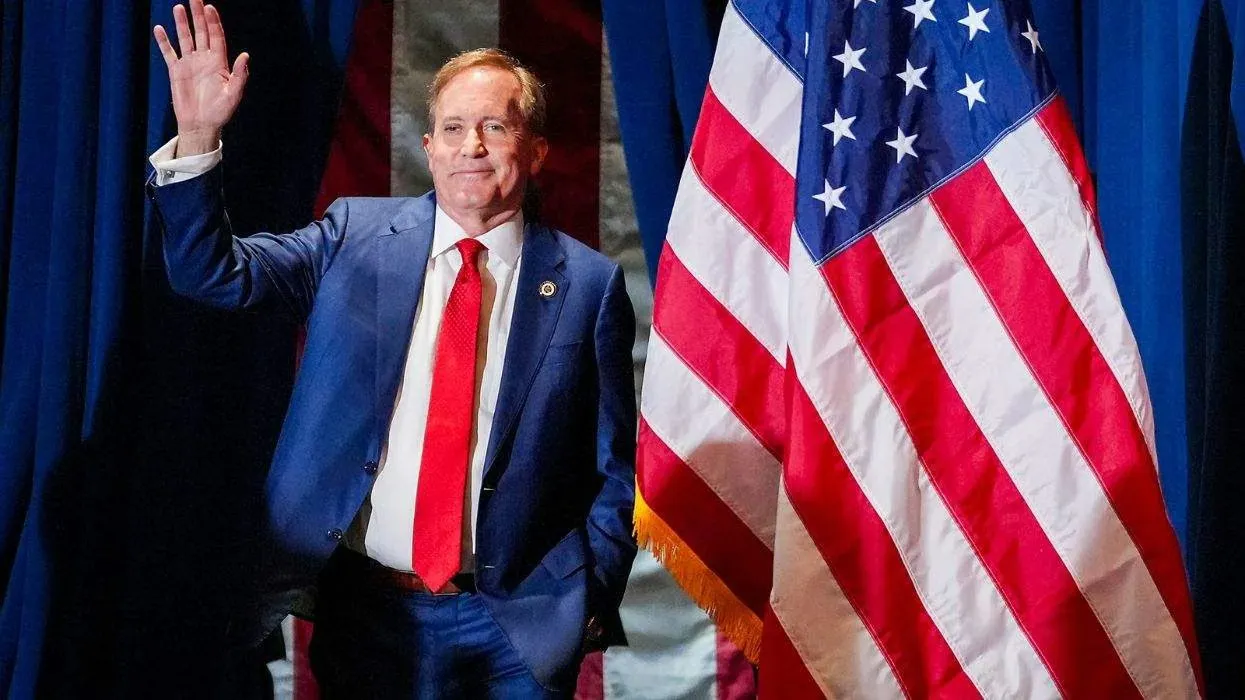
- Lawsuit Dismissal: Texas Attorney General Ken Paxton’s office voluntarily withdrew its lawsuit against the National Collegiate Athletic Association (NCAA) regarding transgender women’s participation in women’s sports, filing the dismissal without prejudice on Thursday, allowing for potential refiling.
- Political Context and Election Outcome: The legal reversal follows Ken Paxton’s double-digit defeat in a U.S. Senate race against Democrat James Talarico, alongside a sweeping Democratic victory in Texas that saw Democrat Nathan Johnson elected to succeed Paxton as Attorney General.
- Origins of the Litigation: Filed originally in 2024, Ken Paxton’s lawsuit alleged that the NCAA misleadingly marketed women’s sports competitions while permitting transgender women athletes to compete.
- NCAA Rule Changes: While the litigation remained pending, the NCAA modified its eligibility policies in February 2025—following federal executive actions—to restrict women’s category competition strictly to athletes assigned female at birth.
- Wider Dismissals of Culture War Cases: The NCAA lawsuit is one of several high-profile ideological and legal actions dropped as Ken Paxton prepares to leave office, following the permanent dismissal with prejudice of lawsuits targeting Houston immigrant rights group FIEL and El Paso migrant shelter network Annunciation House on November 9, 2026.
- Incoming Administration Intentions: Incoming Attorney General Nathan Johnson has previously stated an intention to review politically motivated lawsuits initiated under Ken Paxton and halt those deemed partisan.
Texas (Texas 24 News) November 16, 2026 – Outgoing Texas Attorney General Ken Paxton has dropped a high-profile lawsuit against the National Collegiate Athletic Association (NCAA) challenging transgender women’s participation in women’s sports. Filed without prejudice, the dismissal on Thursday follows Ken Paxton’s decisive defeat in a U.S. Senate contest against Democrat James Talarico and a sweeping Democratic statewide election sweep that secured the attorney general office for Democrat Nathan Johnson. The legal action—initiated in 2024—claimed the collegiate sports governing body misled consumers regarding women’s competitions. As Ken Paxton prepares to leave office, his department has also dropped separate lawsuits targeting Texas immigrant advocacy and migrant shelter organisations, while incoming Attorney General Nathan Johnson has pledged to review politically driven litigation.
- What Were the Core Allegations in Ken Paxton’s NCAA Lawsuit?
- How Do Incoming Attorney General Nathan Johnson’s Legislative Record and Policy Stance Compare With Ken Paxton?
- Background of the Particular Development After the News
- How This Development Can Affect Civil Rights Litigants, State Legal Strategy, and Higher Education Athletics
As reported by Bloomberg Law and The Texas Tribune, Texas Attorney General Ken Paxton has formally dropped his lawsuit against the National Collegiate Athletic Association (NCAA) concerning transgender women’s participation in collegiate women’s sports.
Ken Paxton’s office withdrew the legal claims on Thursday without prejudice—signifying that the allegations could theoretically be refiled at a later date. The legal challenge originated in 2024, when Ken Paxton accused the national college sports governing body of deceptively marketing women’s sporting competitions while permitting transgender women to participate.
Explaining the rationale behind the original 2024 filing, Ken Paxton stated at the time, as cited in court records and media reports: “The NCAA is intentionally and knowingly jeopardizing the safety and wellbeing of women by deceptively changing women’s competitions into co-ed competitions. When people watch a women’s volleyball game, for example, they expect to see women playing against other women—not biological males pretending to be something they are not. Radical ‘gender theory’ has no place in college sports.” Ken Paxton’s office did not respond to subsequent requests for comment regarding the dismissal, according to The Texas Tribune.
The decision to abandon the NCAA litigation arrives directly in the wake of significant electoral defeats for outgoing Republicans in Texas. As reported by The Advocate and The Texas Tribune, Ken Paxton lost a U.S. Senate race in Texas by a double-digit margin to Democratic challenger James Talarico. On the same election evening, Democratic candidate Nathan Johnson won the contest to succeed Ken Paxton as Texas Attorney General, capping a broader Democratic sweep of statewide offices, including the gubernatorial race.
The transition in the Attorney General’s office brings a fundamental shift in legal philosophy. Nathan Johnson voted against House Bill 25—the 2021 legislation barring transgender girls from competing on girls’ teams in Texas public school sports—according to the Texas Senate journal. While the NCAA publicly supported transgender athletes’ inclusion as lawmakers in Texas and other states advanced restrictions, Nathan Johnson’s Republican opponent in the attorney general race, Mayes Middleton, served as the lead author of a 2023 statute that barred transgender women from competing on women’s teams at Texas public colleges and universities. State records indicate Nathan Johnson was recorded as present, not voting, when the Senate passed that measure in March 2023, but he subsequently voted against accepting the House amendment in May 2023 during the final legislative approval vote.
Furthermore, while Ken Paxton’s lawsuit against the NCAA remained pending in federal courts, the athletic association altered its internal eligibility rules. In February 2025, following federal executive actions targeting transgender athletes, the organisation restricted women’s competition categories exclusively to athletes assigned female at birth.
The NCAA lawsuit forms part of a broader pattern of high-profile culture war cases dropped by Ken Paxton’s administration as the incumbent Republican prepares to vacate office. As reported by The Texas Tribune, Ken Paxton also abandoned litigation seeking to shut down FIEL, a Houston immigrant rights organization that the attorney general’s office accused of violating nonprofit regulations through political advocacy and criticism of immigration policies. Similarly, Ken Paxton ended legal actions seeking to dissolve Annunciation House, an El Paso-based nonprofit network of migrant shelters accused by the state of illegally harboring undocumented immigrants—allegations that the organization consistently denied. Both immigration-related lawsuits were dismissed with prejudice on November 9, 2026, distinguishing them from the without-prejudice filing in the NCAA case.
Incoming Attorney General Nathan Johnson has previously stated his intention to review lawsuits initiated under Ken Paxton and halt those he considers politically motivated, The Texas Tribune reported.
What Were the Core Allegations in Ken Paxton’s NCAA Lawsuit?
Legal filings and public statements documented by Bloomberg Law and The Texas Tribune outline the central arguments advanced by outgoing Attorney General Ken Paxton:
- Consumer Deception Claims: Ken Paxton alleged that the NCAA violated consumer protection statutes by advertising sporting events as exclusive to biological women while allowing transgender women athletes to compete.
- Safety and Fair Competition Arguments: The state argued that inclusion policies compromised athletic fairness and physical safety in women’s sports categories.
- Opposition to “Gender Theory”: Ken Paxton framed the litigation as a direct challenge against institutional adoption of modern gender identity policies within collegiate athletics.
How Do Incoming Attorney General Nathan Johnson’s Legislative Record and Policy Stance Compare With Ken Paxton?
A structured overview highlights the contrasting legal approaches and legislative actions of the outgoing and incoming Texas Attorneys General regarding social legislation:
| Official / Leader | Political Affiliation | Stance on Transgender Sports Restrictions | Position on State-Initiated Culture War Litigation |
| Ken Paxton | Republican (Outgoing AG) | Championed state lawsuits against governing bodies and enacted restrictive legislative measures. | Aggressively pursued lawsuits against sports bodies, immigrant rights groups, and migrant shelters. |
| Nathan Johnson | Democrat (Incoming AG) | Voted against House Bill 25 (2021 school sports ban) and opposed subsequent collegiate restrictions. | Pledged to review lawsuits brought under Ken Paxton and halt proceedings deemed politically motivated. |
Background of the Particular Development After the News
The legal confrontation between the Texas Attorney General’s office and the NCAA emerged during a wave of state-level legislative and judicial actions across the United States concerning transgender rights, educational equity, and athletic governance. Following the passage of Texas House Bill 25 in 2021 and subsequent 2023 statutes restricting transgender participation in public college athletics, conservative attorneys general pursued multi-state challenges against national sports organizations.
However, the political landscape in Texas shifted following the November 2026 statewide elections. The defeat of incumbent Republicans in key executive positions—including the attorney general race won by Nathan Johnson and the U.S. Senate victory by James Talarico—created an immediate institutional realignment. With the NCAA having independently updated its eligibility guidelines in early 2025 to restrict women’s competition categories to individuals assigned female at birth, outgoing state leadership moved to clear active dockets ahead of the administrative transition.
How This Development Can Affect Civil Rights Litigants, State Legal Strategy, and Higher Education Athletics
The dismissal of the NCAA lawsuit and the impending transition in the Texas Attorney General’s office are projected to influence legal and educational spheres across three primary areas:
1. Shift in State-Level Litigation Priorities for Civil Rights and Advocacy Groups
For immigrant rights organisations, migrant shelters such as Annunciation House, and LGBTQ+ advocacy groups in Texas, the closure of high-profile state lawsuits signals an immediate de-escalation of executive legal pressure, pending formal reviews by incoming Attorney General Nathan Johnson.
2. Legal Stability and Compliance for Collegiate Athletic Associations in Texas
For the NCAA, universities, and student-athletes operating within Texas, the removal of state-level antitrust and consumer protection litigation eliminates immediate regulatory uncertainty, allowing institutions to operate under national athletic governing rules without concurrent state prosecution.
3. Re-evaluation of Partisan Legal Instruments by State Attorneys General
For legal scholars and constitutional observers monitoring state-level jurisprudence, the incoming administration’s pledge to audit politically motivated lawsuits sets a precedent for how incoming state executives unwind ideological litigation initiated by preceding administrations.