Key Points
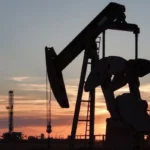
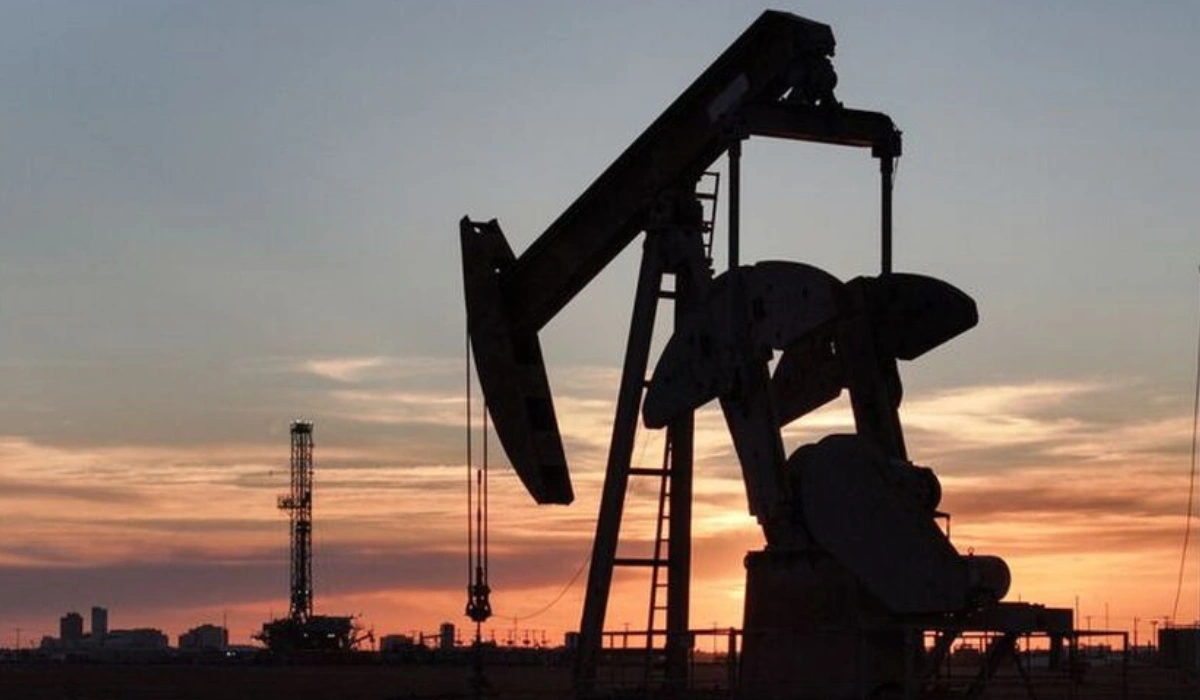
- Methane Rule Rollback Plan: President Donald Trump plans to use a campaign swing through Texas to announce an Environmental Protection Agency (EPA) proposal to ease Biden-era methane restrictions on oil and gas producers.
- Pre-Election Energy Strategy: The regulatory rollback is targeted at lowering retail gasoline prices and bolstering domestic energy output a week before critical U.S. midterm elections amidst the ongoing war with Iran.
- Relief for Small Well Operators: The proposal aims to grant regulatory relief to small, low-output wells, eliminate third-party monitoring programs for large leaks, and relax restrictions on routine gas flaring at well sites.
- High-Stakes Texas Campaign Blitz: Trump is visiting Corpus Christi and Lubbock to rally support for his endorsed Senate candidate, Republican Ken Paxton, who is locked in a tight race against Democratic candidate James Talarico.
- Securing the Senate Majority: The campaign swing represents Trump’s third trip to Texas this month, part of an emergency push across traditional Republican strongholds to safeguard the party’s narrow Senate majority.
- Surging Campaign Inflows: Tech billionaire Elon Musk and major political donors are injecting hundreds of millions of dollars in late campaign funding to bolster Paxton’s reelection efforts.
Texas (Texas 24 News) October 27, 2026 – President Donald Trump will utilize a high-stakes campaign tour across Texas on Tuesday, October 27, 2026, to unveil an executive initiative aimed at rolling back federal environmental regulations on methane emissions for oil and gas producers. Announced exactly one week prior to the U.S. midterm elections, the proposal forms part of a broader white-house strategy to address rising retail gasoline prices that have emerged as a significant political vulnerability for Republicans amid the ongoing military conflict with Iran. By combining major energy deregulational announcements with campaign rallies in Corpus Christi and Lubbock, President Trump is attempting to mobilize energy sector voters and reinforce his hand-picked candidate, Republican Ken Paxton, who faces a competitive Senate challenge from Democrat James Talarico that threatens the party’s slim majority in the upper chamber.
- Key Points
- What Are the Key Details of President Donald Trump’s Plan to Roll Back Methane Rules in Texas?
- Why Is Donald Trump Campaigning Intensely in Texas Ahead of the Midterm Elections?
- How Does the Texas Campaign Tour Fit Into the Broader Republican Midterm Strategy?
- Background of the Particular Development
- How This Development Can Affect Oil Producers, Consumers, and Environmental Organizations
What Are the Key Details of President Donald Trump’s Plan to Roll Back Methane Rules in Texas?
As reported by journalists Steve Holland and Valerie Volcovici of Reuters, President Donald Trump intends to leverage a swing through Texas to propose significant rollbacks to Environmental Protection Agency (EPA) methane regulations.
As reported by Steve Holland and Valerie Volcovici of Reuters, a White House official confirmed that the administration plans to revise Biden-era environmental frameworks that mandated oil and gas operators regularly inspect wells for escaping methane gas and repair leaking equipment.
The administration is framing the regulatory overhaul as an essential mechanism to lower consumer costs and expand domestic energy output.
As reported by Steve Holland and Valerie Volcovici of Reuters, a White House official detailed that the planned proposal will provide specific regulatory relief to small, low-output wells and dismantle a specialized program that enabled external groups to report large-scale methane leaks. Furthermore, the official stated that the plan will ease federal restrictions designed to phase out routine gas flaring at active oil production sites.
Why Is Donald Trump Campaigning Intensely in Texas Ahead of the Midterm Elections?
As reported by Steve Holland and Valerie Volcovici of Reuters, President Trump’s visits to Corpus Christi and Lubbock mark his third campaign trip to Texas during October 2026 alone.
The repeated travel to traditional Republican strongholds highlights an aggressive effort by the administration to secure states that were previously considered safe for the Republican party, but have instead developed into highly competitive midterm battlegrounds.
As reported by Steve Holland and Valerie Volcovici of Reuters, the White House effort in Texas is explicitly focused on aiding Republican Senate candidate Ken Paxton, who is locked in a tight electoral race against Democratic challenger James Talarico. Political strategists emphasize that a Republican defeat in Texas would severely complicate the party’s mathematical pathway to retaining its narrow majority in the U.S. Senate.
As reported by Steve Holland and Valerie Volcovici of Reuters, Trump has openly acknowledged his complex personal dynamic with the Texas candidate, publicly referring to his long-time ally Paxton as “a pain in the ass sometimes,” while explicitly reaffirming his firm preference for Paxton over Democratic opponent Talarico.
To reinforce Paxton’s campaign in its final days, tech billionaire Elon Musk and major Republican mega-donors are deploying hundreds of millions of dollars into late advertising and voter turnout initiatives.
How Does the Texas Campaign Tour Fit Into the Broader Republican Midterm Strategy?
As reported by Steve Holland and Valerie Volcovici of Reuters, President Trump’s travel to Texas is part of an extensive late-October political blitz across traditionally conservative states.
Throughout the month of October, the President’s campaign schedule has extended across multiple Republican-leaning states that have required defensive campaign support, including stops in Oklahoma, Alabama, Nebraska, Iowa, Ohio, South Carolina, and Mississippi.
By linking regulatory rollbacks in the energy sector with high-visibility rallies, the administration seeks to emphasize economic relief and domestic energy independence as central campaign themes to counter political backlash over fuel price increases driven by international conflicts.
Background of the Particular Development
Methane is a primary component of natural gas and represents a potent greenhouse gas, possessing a heat-trapping capacity significantly higher than carbon dioxide over a 20-year period. During the previous administration, the Environmental Protection Agency instituted strict performance standards for the crude oil and natural gas source category. These rules required fossil fuel operators to implement comprehensive leak detection and repair (LDAR) programs, transition to zero-emitting pneumatic controllers, and systematically phase out routine flaring—the practice of burning off unwanted natural gas at oil extraction sites.
The implementation of these federal environmental standards created operational costs for independent oil producers, particularly operators managing mature or low-producing “marginal” wells. Following geopolitical tensions and military engagements involving Iran, global oil markets experienced supply disruptions, driving up domestic gasoline prices across the United States. In response, the fossil fuel industry and conservative lawmakers urged the White House to suspend stringent environmental compliance mandates to lower operational expenditures and spur domestic crude production. The campaign push in Texas serves as both a policy response to these industry demands and a political strategy to energize the state’s significant energy-sector electorate ahead of competitive midterm contests.
How This Development Can Affect Oil Producers, Consumers, and Environmental Organizations
The proposed rollback of federal methane regulations and the political dynamics surrounding the Texas Senate race are expected to impact several specific stakeholder groups:
- Independent Oil and Gas Operators: Small-scale and independent energy producers operating low-output wells stand to gain immediate operational relief. The elimination of mandatory third-party monitoring programs, relaxed leak detection schedules, and extended allowances for gas flaring will lower compliance costs for smaller drillers across the Permian Basin and Eagle Ford Shale, allowing operators to maintain marginal well production without facing federal fines.
- U.S. Energy Consumers and Retail Drivers: While the administration casts the regulatory easing as a direct mechanism to increase fuel supply and lower prices at the pump, energy market analysts note that systemic fuel prices remain heavily tied to global crude benchmarks and foreign conflict dynamics. Consumers may experience marginal cost relief over time if domestic supply expands, though global supply pressures stemming from the war with Iran will remain the primary driver of gasoline price volatility.
- Environmental Advocacy Groups and Climate Policy Organizations: Environmental organizations and climate policy advocates will face a weakened regulatory framework regarding short-term greenhouse gas reduction goals. Climate groups are expected to file immediate legal challenges in federal court to block the EPA’s proposed rule changes, arguing that easing leak detection standards and permitting routine flaring threatens public health and accelerates global warming trends.