Key Points
- Massive Political Expenditure: Chief Executive Officer Elon Musk channeled over $225 million into Texas political campaigns during the US midterm elections to safeguard favorable business environments for his industrial footprint.
- Shift in Local Political Alignment: Strategic political gains by Texas Democrats have established a formidable legislative block capable of challenging long-standing corporate concessions.
- Scrutiny of Corporate Incentives: Democratic lawmakers are launching policy pushes to review tax breaks, local infrastructure subsidies, and environmental exemptions granted to Tesla and SpaceX.
- Autonomous Driving and Safety Regulations: Fresh state-level legislative proposals aim to increase regulatory oversight of Tesla’s self-driving technology and robotaxi deployments across Texan public roads.
- Environmental and Municipal Friction: Local authorities and state representatives are escalating inquiries into SpaceX’s coastal launch operations at Starbase, citing water usage, coastal land access, and environmental impacts.
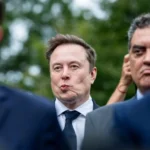
Texas (Texas 24 News) November 9, 2026 – Chief Executive Officer Elon Musk is facing unprecedented legislative and regulatory scrutiny across his corporate empire in Texas following a decisive shift in the state’s political landscape. As reported by The Wall Street Journal on Monday, 9 November 2026, Texas Democratic leaders are mobilizing to roll back broad corporate privileges, tax concessions, and regulatory carve-outs that previously accelerated the expansion of Tesla and SpaceX across the state. Despite Musk directing more than $225 million into local and state political campaigns to protect his industrial interests, incoming Democratic lawmakers have secured sufficient political leverage to challenge the white-glove treatment historically extended to his enterprises by state officials.
- Why Are Texas Democrats Challenging Elon Musk’s Business Tax Concessions?
- How Will Increased State Oversight Affect Tesla’s Autonomous Vehicle Operations?
- What Environmental Restrictions Could SpaceX Face at Starbase in Boca Chica?
- Background of the Particular Development After the News
- How This Development Can Affect Elon Musk’s Companies, Texas Business Policy, and Industrial Investors
Why Are Texas Democrats Challenging Elon Musk’s Business Tax Concessions?
According to reporting published by The Wall Street Journal, Texas state Democrats are preparing comprehensive legislative reviews aimed at re-evaluating economic development agreements granted to Musk-managed enterprises.
Over the past five years, state and municipal entities in Texas granted significant tax abatements, utility discounts, and land-use exemptions to secure the relocation of Tesla’s corporate headquarters and the expansion of SpaceX’s manufacturing and testing facilities.
Outlining the growing political opposition to un-vetted corporate incentives, Texas state lawmakers told reporters that public resources must be tied to strict local accountability.
As reported by The Wall Street Journal, Texas Democratic leaders stated that state-backed tax incentives and infrastructure provisions for mega-corporations will no longer operate as an unquestioned default, emphasizing that major industrial employers must demonstrate tangible public returns for local communities.
Key fiscal areas designated for legislative review include:
- Property Tax Abatements: Inspecting multi-year tax reductions awarded to Tesla’s Gigafactory Texas complex in Travis County.
- Infrastructure and Grid Subsidies: Evaluating public expenditure allocated to high-voltage grid connections and regional highway expansions surrounding industrial sites.
- Local Municipal Grants: Reviewing economic development funds funneled into Cameron County to support SpaceX’s launch infrastructure at Boca Chica.
How Will Increased State Oversight Affect Tesla’s Autonomous Vehicle Operations?
As reported by The Wall Street Journal and regulatory tracking reports, state Democrats are prioritizing new legislative frameworks governing autonomous vehicle testing and commercial deployment on Texan roadways.
Texas had previously established an exceptionally permissive regulatory climate for autonomous vehicle developers, enabling rapid testing of driverless fleets without requiring extensive reporting of system disengagements or traffic incidents.
Under new legislative initiatives introduced by state Democrats, Tesla’s self-driving software and planned robotaxi fleets will encounter stringent compliance requirements:
- Mandatory Safety Reporting: Requirements for autonomous vehicle operators to submit detailed telemetry data, incident logs, and software disengagement metrics directly to the Texas Department of Transportation.
- Independent Safety Audits: Third-party verification of full self-driving capabilities before commercial deployment authorization is granted across metropolitan zones.
- Municipal Approval Powers: Granting individual city councils the statutory authority to restrict or set operational hours for autonomous taxi fleets within municipal limits.
As reported by The Wall Street Journal, Democratic lawmakers emphasized that public safety on state highways must supersede rapid corporate commercialization timelines.
What Environmental Restrictions Could SpaceX Face at Starbase in Boca Chica?
According to investigations cited by The Wall Street Journal, SpaceX’s orbital launch facility near Brownsville, Texas, is emerging as a central focal point of environmental and regulatory pushback.
Local community advocates and Democratic representatives have voiced increasing concern over the ecological footprint of Starship launch tests adjacent to federal wildlife refuges and public coastal beaches.
Specific environmental and operational areas targeted for increased regulatory scrutiny include:
- Industrial Wastewater Discharges: Heightened enforcement of state water quality standards regarding deluge water systems used during rocket engine ignitions.
- Public Beach Access: Strict limitations on the number of hours public access to Boca Chica Beach can be restricted for industrial operations and launch tests.
- Vibration and Sound Mitigation: Independent environmental impact studies measuring the effects of super-heavy booster launches on local migratory bird populations and coastal wetlands.
As reported by The Wall Street Journal, state representatives indicated that SpaceX will no longer be permitted to bypass standard environmental impact protocols or rely on expedited state-level waivers.
Background of the Particular Development After the News
Elon Musk began systematically relocating the center of gravity of his corporate empire from California to Texas in 2020, citing excessive regulatory hurdles, high state tax rates, and stringent environmental permitting processes in the Golden State. Following the official transfer of Tesla’s corporate headquarters to Austin in late 2021 and SpaceX’s expanded presence in Cameron County, state and local officials initially welcomed the billionaire industrialist with open arms. Republican state leadership passed legislation that streamlined industrial permitting, limited civil liability exposures for tech companies, and offered hundreds of millions of dollars in localized tax breaks to build out manufacturing ecosystems.
However, the rapid scale of industrial expansion generated rising friction with local residents, environmental groups, and urban municipalities. Concerns regarding rising housing costs, increased pressure on the Texas electrical grid, local water consumption, and frequent closures of public coastal lands fueled growing political friction. As the political composition of key Texas urban centers and legislative districts shifted toward Democratic representation, lawmakers systematically built a platform centered on reforming corporate subsidies and enforcing environmental accountability, setting up a direct legislative confrontation with Musk’s industrial footprint.
How This Development Can Affect Elon Musk’s Companies, Texas Business Policy, and Industrial Investors
The mounting legislative push by Texas Democrats to rein in corporate privileges will produce significant financial, operational, and strategic impacts across several key sectors.
Impact on Tesla, SpaceX, and Corporate Strategy
For Tesla and SpaceX, the end of friction-free state cooperation will require a fundamental shift in legal and operational planning. Tesla may face higher compliance costs and delayed deployment schedules for its autonomous vehicle initiatives due to mandatory safety reporting and municipal oversight. Meanwhile, SpaceX could experience operational delays at Starbase if state environmental agencies enforce stricter water-discharge permits and beach-closure limits. To navigate these political hurdles, Musk’s corporate leadership will need to dedicate substantial legal and public affairs resources to negotiate compromises with state legislative committees.
Impact on Texas Economic Policy and Corporate Relocations
For the state of Texas, the shifting regulatory stance toward major tech enterprises signals a broader evolution in its economic development model. While Texas will remain a low-tax environment relative to states like California or New York, the introduction of stricter oversight and conditional tax incentives may reduce the state’s leverage when recruiting out-of-state corporate headquarters. Other sunbelt states offering unrestricted corporate incentives may attempt to market themselves as alternative destinations for heavy industrial and technology manufacturing projects.
Impact on Investors and Technology Markets
For institutional investors holding shares in Tesla and tracking private valuations of SpaceX, rising state-level political friction introduces a new layer of regulatory risk. Unpredictable permitting timelines and potential reductions in localized tax abatements could compress operational profit margins. Market analysts will closely monitor state legislative sessions in Austin, adjusting valuation models to account for potential delays in product rollouts and increased corporate tax burdens across Texas facilities.