- Two Texas lawmakers from opposing political parties have filed separate legislative bills to replace the northern mockingbird with the golden-cheeked warbler as the official state bird.
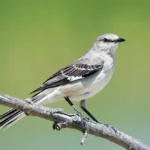
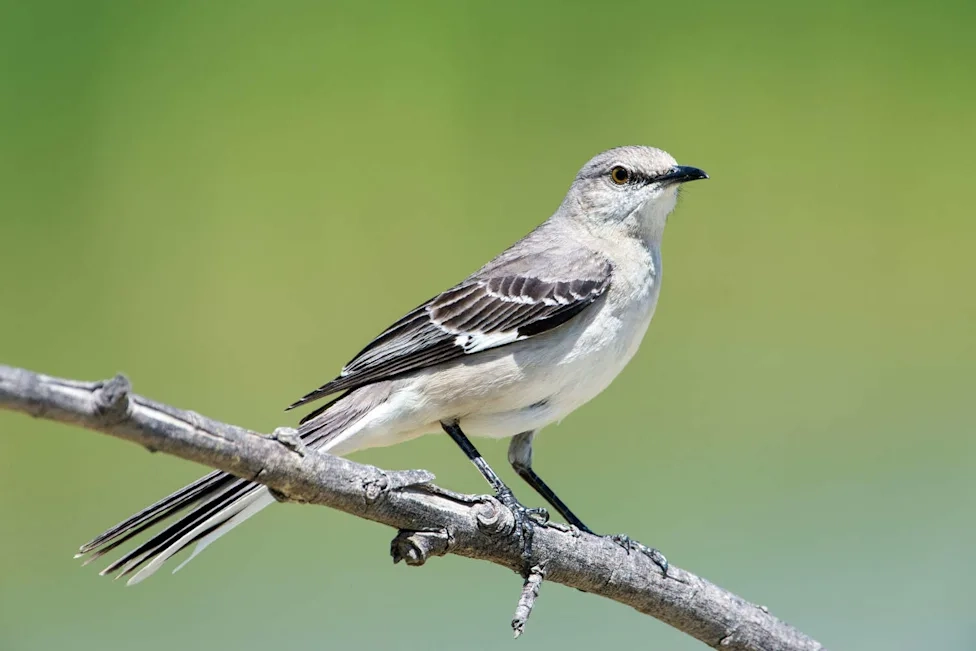
- The northern mockingbird has represented Texas as its official state bird for nearly a century, following its legislative adoption and approval by Governor Dan Moody on 31 January 1927.
- The golden-cheeked warbler is a rare, endangered songbird distinguished by bright yellow cheeks and black markings that breeds exclusively in mature juniper and oak woodlands across approximately 33 Central Texas counties.
- Fully 100 percent of the global population of golden-cheeked warblers depends on Central Texas habitats during its breeding season before migrating to Mexico and Central America for the winter.
- The species has been federally listed as endangered since 1990 due to habitat loss caused by regional development and woodland clearing.
- The bipartisan legislative push arrives amid ongoing political controversy regarding federal protections, following a June 2025 petition by Texas Land Commissioner Dawn Buckingham and the Texas Public Policy Foundation to delist the bird entirely.
Texas (Texas 24 News) November 11, 2026 – The northern mockingbird, which has served as the official state bird of Texas for nearly a hundred years, faces a legislative challenge that could replace it with an endangered songbird native exclusively to the state’s Central Texas woodlands. Lawmakers from opposing political parties have filed separate bills ahead of the 90th Texas Legislature convening on 12 January 2027, proposing that the golden-cheeked warbler take over the designation. While supporters argue that honoring the rare, federally endangered species will draw vital attention to conservation efforts, the proposal intersects with ongoing political debates regarding federal environmental protections and land development rights across the state.
- Why Is the Golden-Cheeked Warbler Ecologically Unique to Texas?
- How Did the Northern Mockingbird Originally Become the Texas State Bird?
- What Are the Broader Political Contradictions Surrounding Federal Protections for the Warbler?
- Background of the Particular Development After the News
- How This Development Can Affect Texas Lawmakers, Landowners, and Environmental Advocates
According to municipal news reporting published by Chron, the legislative effort is being driven by lawmakers seeking to elevate awareness of the state’s unique biodiversity. As reported by Chron journalists covering the policy announcement, proponents of the bill emphasized that the golden-cheeked warbler represents a uniquely Texan ecological treasure.
Speaking to Chron, the primary legislative sponsor explained his support for the transition, stating: “I have nothing against the Mockingbird,” while noting that the golden-cheeked warbler deserves state recognition as the only bird species that nests exclusively within Texas boundaries. Furthermore, the lawmaker welcomed the opportunity to collaborate across party lines on the proposal, telling Chron: “I look forward to working with her on this.”
Environmental advocacy groups have quickly rallied behind the initiative. As reported by Chron, Caley Zuzula, program manager for Travis Audubon—an organization featuring the golden-cheeked warbler on its official logo—praised the legislative awareness campaign. Zuzula stated to Chron that Travis Audubon has worked to conserve the warbler since its founding nearly 75 years ago, adding that “any effort to raise awareness of the conservation challenges surrounding this iconic species is to be commended.”
The bird’s exclusive ties to the region have been heavily reinforced by ornithological data. According to analysis conducted by the Cornell Lab of Ornithology utilizing its eBird citizen science platform, researchers evaluated bird species with specific geographical allegiances across the United States and determined that the golden-cheeked warbler was the absolute best match for Texas. As cited by the Cornell Lab in published avian studies: “It’s hard to argue with golden-cheeked warbler’s claim on Texas—fully 100 percent of the global population breeds there.”
If approved by the Texas Legislature, the official state bird transition would take effect on 1 September 2027, ending a century-long legacy for the northern mockingbird.
Why Is the Golden-Cheeked Warbler Ecologically Unique to Texas?
Unlike the northern mockingbird, which can be observed year-round across diverse habitats throughout Texas and four other U.S. states, the golden-cheeked warbler possesses a severely restricted geographic range:
- Exclusive Breeding Grounds: The warbler breeds exclusively in mature, undisturbed juniper and oak woodlands situated across approximately 33 counties in Central Texas.
- Distinctive Physical Markers: The species is easily identified by its striking bright yellow cheeks, contrasting black facial markings, and a distinct, high-pitched buzzy song.
- Migratory Patterns: After completing its breeding cycle in the Texas hill country, the warbler migrates south to spend the winter months in forested regions of Mexico and Central America.
Despite its ecological significance, the species has faced severe population pressures. The golden-cheeked warbler has maintained a federal listing as an endangered species since 1990, primarily driven by rapid urban development, habitat fragmentation, and the commercial clearing of juniper and oak woodlands across Central Texas.
How Did the Northern Mockingbird Originally Become the Texas State Bird?
The northern mockingbird holds nearly a century of historical precedent as the official avian symbol of Texas.
During the 1920s, the Texas Federation of Women’s Clubs spearheaded a grassroots nomination campaign as part of a nationwide movement to establish official state birds across the United States. Recognizing the bird’s vocal range and protective territorial instincts, Texas lawmakers formally approved the selection in 1927.
Legislative debates at the time praised the mockingbird as “a singer of distinctive type” and “a fighter for the protection of his home,” drawing direct thematic parallels between the bird’s aggressive territorial defense and the independent spirit of early Texans. Governor Dan Moody signed the official designation into law on 31 January 1927, making Texas the pioneering state in the nation to adopt an official state bird. Following Texas’s lead, Arkansas, Florida, Mississippi, and Tennessee subsequently adopted the northern mockingbird as their own state symbols.
What Are the Broader Political Contradictions Surrounding Federal Protections for the Warbler?
While environmentalists champion the legislative proposal as an educational victory for conservation, the timing coincides with an ongoing political battle over the bird’s legal status under the Endangered Species Act.
In June 2025, Texas Land Commissioner Dawn Buckingham, alongside the influential policy advocacy group the Texas Public Policy Foundation (TPPF), formally petitioned federal wildlife authorities to remove the golden-cheeked warbler from the endangered species list entirely. Proponents of delisting argue that federal land-use restrictions designed to protect warbler habitats impose heavy economic burdens on private landowners, real estate developers, and municipal expansion projects in rapidly growing Central Texas counties.
Consequently, introducing a bill to elevate the warbler to state bird status has introduced an ironic juxtaposition into the upcoming 90th Legislative session, setting up a sharp policy debate between wildlife conservation advocates and property rights proponents.
Background of the Particular Development After the News
The debate over Texas’s state bird symbol occurs against a backdrop of intensifying land-use conflicts in Central Texas. As urban centers like Austin, San Antonio, and surrounding rural Hill Country communities experience unprecedented population growth, remaining tracts of mature Ashe juniper (cedar) and oak woodlands face constant pressure from housing developments, infrastructure projects, and commercial clearing.
The golden-cheeked warbler has long stood at the center of these environmental battles. Since its federal listing in 1990, habitat conservation plans (HCPs) and strict environmental regulations have restricted construction in key watersheds and breeding zones. While conservationists view these rules as non-negotiable safeguards against extinction, local landowners and agricultural groups have frequently criticized federal oversight for infringing upon private property rights. Proposing the warbler as the state bird injects these long-standing environmental tensions directly into the legislative spotlight as lawmakers prepare to convene in January 2027.
How This Development Can Affect Texas Lawmakers, Landowners, and Environmental Advocates
The debate surrounding the proposed replacement of the state bird will generate distinct ramifications across political, legal, and environmental spheres in Texas:
1. Environmental Advocates and Public Awareness
For conservation organizations such as Travis Audubon and state wildlife researchers, the legislative debate provides an invaluable public platform. Even if the bill faces strong political resistance from agricultural and property rights coalitions, the high-profile discussion will educate millions of Texans regarding the ecological fragility of Central Texas oak-juniper ecosystems and the importance of protecting endemic species.
2. Private Landowners and Real Estate Developers
For landowners, developers, and municipal planners operating in Central Texas, the symbolic elevation of an endangered species to state bird status raises anxieties regarding potential legislative headwinds. While a state bird designation does not automatically alter federal Endangered Species Act regulations, landowners fear that increased public attention could harden regulatory enforcement, complicate land-use permitting, and amplify legal disputes over habitat preservation.
3. State Lawmakers and Bipartisan Dynamics
For members of the 90th Texas Legislature, the bill serves as a test of bipartisan cooperation on environmental and cultural symbolism. Navigating the competing priorities of urban conservationists seeking to protect native wildlife and rural lawmakers defending property rights will require delicate political maneuvering, ensuring that the debate over Texas’s official avian symbol remains one of the most closely watched cultural items of the upcoming legislative session.