Key Points
- Massive Campaign Capital Influx: Federal Election Commission (FEC) and state campaign filings reveal that tech billionaire Elon Musk has contributed at least $158 million to super PACs backing Texas Attorney General Ken Paxton’s U.S. Senate bid, alongside a $5 million donation to Governor Greg Abbott’s re-election campaign.
- Public Endorsements and Political Backing: Musk issued an explicit endorsement of Ken Paxton on social media platform X, framing the upcoming election as pivotal for both Texas and the United States.
- Legal Battle Over Executive Communications: State Representative Gina Hinojosa, Governor Abbott’s gubernatorial opponent, successfully sued to compel the release of 1,400 pages of correspondence between Abbott’s office and Musk, following judicial findings of illegal obstruction by the governor.
- Allegations of Political Reciprocity: Democratic Senate candidate James Talarico accused Musk of attempting to “buy” the Senate seat, drawing attention to years of official actions by the Texas Attorney General’s office that appeared to align directly with Musk’s commercial and legal interests.
- Substantial State Subsidies and Tax Relief: Beyond political contributions, Musk’s corporate footprint in Texas—including Tesla, SpaceX, and the proposed “Terafab” semiconductor facility—has benefited from billions in state tax breaks, grants, and infrastructure funding.
Texas (Texas 24 News) October 30, 2026 – The deep financial and regulatory alliance between billionaire entrepreneur Elon Musk and top Texas Republican leaders has come under intense public and judicial scrutiny as the 2026 midterm elections enter their final days. Campaign finance disclosures and court rulings have exposed an unprecedented level of political spending by Musk, alongside accusations from Democratic opponents that the state’s executive branch has repeatedly deployed official enforcement powers to shield and advance Musk’s corporate enterprises.
- Key Points
- What Do Campaign Disclosures Reveal About Elon Musk’s Financial Contributions to Texas Republicans?
- Why Are Governor Greg Abbott’s Communications With Elon Musk Being Challenged in Court?
- How Has the Texas Attorney General’s Office Intervened in Matters Involving Elon Musk’s Businesses?
- Background of the Particular Development After the News
- How This Development Can Affect Texas Voters, State Lawmakers, and Corporate Investors
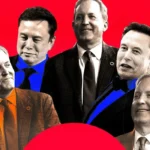
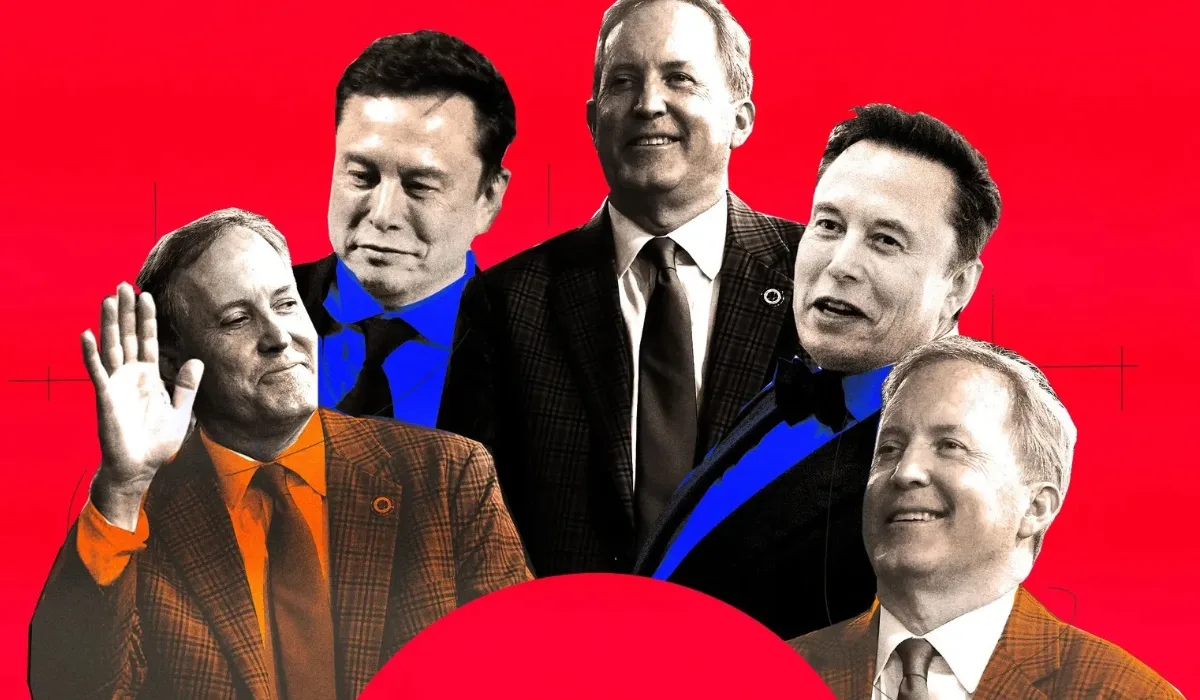
As reported by investigative journalists covering campaign finance and state governance, Federal Election Commission records confirm that Musk has funneled at least $158 million into super PACs supporting Texas Attorney General Ken Paxton’s bid for the U.S. Senate. In addition to his federal spending, recent state campaign filings indicate Musk contributed $5 million directly to Governor Greg Abbott’s re-election effort, establishing him as Abbott’s single largest individual donor. Publicly reinforcing his financial backing, Musk posted an explicit endorsement of Paxton on X, writing: “The fate of Texas and America is at stake. Vote for @KenPaxtonTX today.”
Concurrently, Governor Abbott is embroiled in a legal battle regarding his communications with the tech executive. State Representative Gina Hinojosa, who is challenging Abbott for the governorship, initiated legal proceedings to inspect 1,400 pages of correspondence between the governor’s office and Musk. Abbott’s legal team fought to block the disclosure, characterizing the exchanges as too “intimate and embarrassing” for public release. However, a state judge ruled this week that Abbott had illegally “obstructed and continues to obstruct” Hinojosa’s statutory right as a lawmaker to examine the documents, ordering their immediate release. Abbott has appealed the decision, with a formal hearing scheduled for November 2—just days before Election Day.
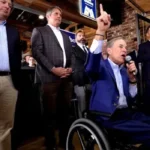
The opposition has made Musk’s financial backing a central campaign argument. Speaking at a campaign event in El Paso, Democratic Senate candidate James Talarico highlighted Paxton’s history of felony securities fraud indictments (which were settled without a plea), whistleblower allegations of abuse of office, and his subsequent legislative impeachment and acquittal. Addressing voters directly, Talarico raised questions regarding the motivations behind the funding, stating: “Ken Paxton has the ultimate megadonor. Elon Musk is trying to buy this Senate seat.”
Reporting indicates that the relationship between Musk and state officials extends far beyond electoral finance, encompassing a series of official state interventions that coincided with Musk’s corporate decisions. Following Tesla’s headquarters relocation from California to Austin in 2021 and SpaceX’s corporate move to Starbase, Texas, in 2024, former insider sources reported structural changes within the Texas Attorney General’s office. Sources disclosed to investigative journalists that from 2021 onward, career attorneys were frequently directed by the executive branch regarding which entities to investigate, altering traditional internal protocols.
Notable instances of official state action following Musk’s commercial developments include:
- 2022 Twitter Investigation: On the same day Musk sent a letter to Twitter threatening to terminate his $44 billion acquisition agreement over alleged bot account misrepresentations, Paxton’s office launched an official investigation into Twitter’s practices.
- 2023 Media Matters Lawsuit: Minutes after Musk filed a defamation lawsuit against progressive watchdog Media Matters over reportage showing advertisements adjacent to white-nationalist content, Paxton announced a state investigation into Media Matters.
- 2024 World Federation of Advertisers Action: Following Musk’s antitrust suit against the World Federation of Advertisers over an alleged corporate ad boycott, Paxton launched an investigation into the organization for “potential anticompetitive scheme[s].”
- Intervention in Federal Inquiries: When the U.S. Department of Justice issued a warning letter regarding Musk’s America PAC sweepstakes program ahead of national elections, Paxton filed a formal FOIA request, publicly accusing federal authorities of “intimidation of businessman Elon Musk.”
Furthermore, state budget allocations have directed considerable financial resources toward Musk’s operations. Over the summer, Texas legislators called for an audit after the Texas Broadband Development Office awarded $110 million in state grants to Musk’s satellite internet company, Starlink. Additionally, the Texas Office of the Comptroller announced that “Terafab,” Musk’s proposed 100-million-square-foot chip manufacturing facility in Grimes County, was granted a $1.66 billion tax abatement package, while SpaceX has collected approximately $30 million in state grants.
What Do Campaign Disclosures Reveal About Elon Musk’s Financial Contributions to Texas Republicans?
Campaign finance records from both state and federal regulatory bodies reveal that Elon Musk has become the premier financial patron of the Texas Republican establishment. By directing $158 million toward super PACs backing Ken Paxton’s Senate campaign and providing $5 million to Governor Greg Abbott’s campaign committee, Musk’s donations surpass traditional political giving standards in state politics.
These contributions have surfaced during a highly competitive election cycle where polls indicate narrowing margins in traditional conservative strongholds across Texas. The influx of mega-donor capital has enabled super PACs supporting Republican candidates to saturate major media markets with television, digital, and direct-mail advertising in the final weeks leading up to Election Day.
Why Are Governor Greg Abbott’s Communications With Elon Musk Being Challenged in Court?
The legal dispute over Governor Greg Abbott’s records stems from a public records lawsuit brought by State Representative Gina Hinojosa. Seeking transparency regarding the state’s economic concessions and regulatory arrangements with Musk’s corporate entities, Hinojosa requested access to 1,400 pages of written communications between Abbott’s office and Musk.
Abbott’s office sought to withhold the documents under executive privilege arguments, characterizing the material as sensitive and personal. A state judge rejected those arguments, ruling that the governor’s office had unlawfully obstructed statutory inspection rights. The impending November 2 appellate hearing will determine whether the correspondence is released to lawmakers prior to the close of voting.
How Has the Texas Attorney General’s Office Intervened in Matters Involving Elon Musk’s Businesses?
Whistleblower disclosures and investigative reports highlight a consistent pattern of state enforcement actions coinciding with Elon Musk’s private litigation and corporate disputes. Between 2021 and 2024, Attorney General Ken Paxton’s office opened multiple formal state inquiries against organizations in direct conflict with Musk, including Twitter, Media Matters, and the World Federation of Advertisers.
Former staff within the Attorney General’s office indicated that enforcement directives were increasingly issued from top executive leadership rather than originating from career prosecutor evidentiary reviews. These official state investigations frequently mirrored civil lawsuits filed by Musk’s legal teams, leading critics to question the independence of state regulatory mechanisms.
Background of the Particular Development After the News
The corporate migration of Elon Musk’s primary business enterprises—including Tesla, SpaceX, Neuralink, and X—from California to Texas marked a significant economic and political realignment over the past five years. Seeking reduced corporate tax burdens, streamlined environmental permitting, and a lighter regulatory environment, Musk found strong political allies in Governor Greg Abbott and Attorney General Ken Paxton. Texas state leadership actively created economic incentives, including local tax abatements, state highway construction projects around “Giga Texas,” and customized regulatory frameworks for space launch operations at Boca Chica.
However, as Musk’s personal political commentary shifted more explicitly toward national conservative causes, his business dealings became deeply intertwined with state-level governance. The deployment of state regulatory apparatuses to support corporate objectives drew constitutional challenges from target organizations like Media Matters, which filed federal lawsuits asserting that the state of Texas was using law enforcement powers to retaliate against protected free speech. Concurrently, the scale of state subsidies provided to Musk’s companies—ranging from broadband infrastructure grants to industrial tax relief—generated bipartisan debate in the Texas Legislature regarding corporate welfare and oversight of taxpayer funds.
How This Development Can Affect Texas Voters, State Lawmakers, and Corporate Investors
The public scrutiny and pending judicial rulings surrounding the financial and administrative ties between Elon Musk and Texas executive leadership are set to impact several key political and economic groups:
1. For Texas Voters and the Electorate
- Shift in Public Awareness on Campaign Finance: Disclosures regarding $158 million in super PAC funding may increase voter focus on mega-donor influence, potentially driving turnout among base supporters on both sides of the aisle in closely contested state and federal races.
- Impact of Impending Document Release: Should the appellate court uphold the judge’s order to release Abbott’s 1,400 pages of correspondence on November 2, late-breaking details regarding state concessions to Musk could influence undecided voters immediately before Election Day.
2. For Texas State Legislators and Bureaucrats
- Increased Legislative Oversight and Audits: Calls for audits into state allocations—such as the $110 million Starlink broadband grant and the $1.66 billion “Terafab” tax abatement—are likely to intensify in upcoming legislative sessions, leading to stricter statutory oversight of economic development grants.
- Reform Pressure on the Attorney General’s Office: Continued controversy surrounding the use of Civil Investigative Demands (CIDs) to support corporate donors may prompt legislative proposals aimed at curbing executive discretion over state investigative resources.
3. For Corporate Investors and Business Relocations
- Heightened Legal Risks for State-Partnered Corporations: Companies relying heavily on state tax incentives and regulatory favors may face greater legal exposure, civil rights litigation, and public transparency demands from opposing political factions.
- Precedent for Executive-Corporate Alliances: The outcome of the midterm elections will serve as a bellwether for whether the close integration of state law enforcement powers with mega-donor business interests remains a viable strategic model for red-state economic development.