Key Points
- Statewide Campaign Platform: Texas State Senator Nathan Johnson, a Dallas Democrat who has served eight years in the upper chamber, is actively campaigning for Texas Attorney General on a platform prioritizing institutional reform, state government accountability, and expanded consumer protection.
- Internal Accountability Reforms: Johnson has proposed structural changes inside the office, including an internal reporting system designed to allow agency staff to lodge complaints regarding executive misconduct without reporting directly to the leadership involved.
- Civil Rights and Contracting Scrutiny: The campaign agenda places explicit focus on civil rights enforcement, environmental justice, and reviewing public contracting practices to curb single-party favoritism and support programs like Historically Underutilized Businesses.
- Consumer Protection and AI Regulation: Johnson vows to expand antitrust enforcement, challenge predatory lending and undisclosed junk fees, and scrutinize how artificial intelligence algorithms impact labor markets and worker compensation.
- First 100 Days Roadmap: Rather than launching immediate agency overhauls, Johnson’s initial 100-day strategy centers on recruiting non-partisan legal personnel, reallocating resources toward consumer fraud and Medicaid investigations, and mending working relationships with local district attorneys.
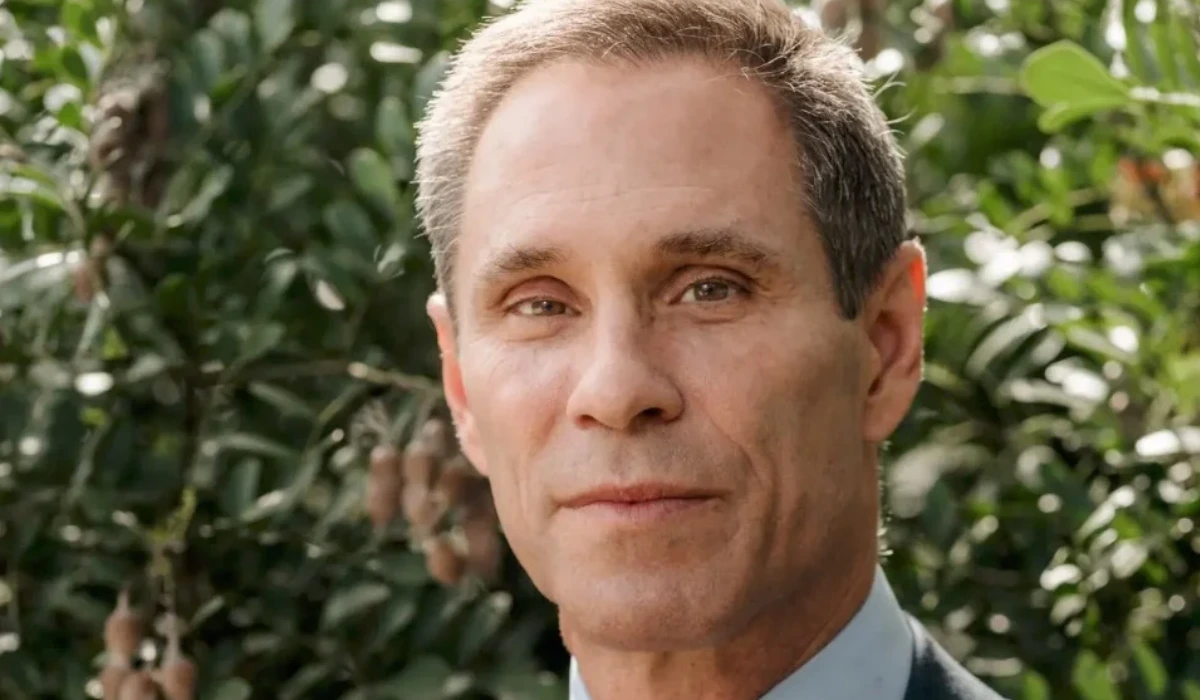
Texas (Texas 24 News) October 29, 2026 – Ahead of the upcoming general election, Texas State Senator Nathan Johnson is pitching a platform of government accountability and consumer protection to voters as he seeks the state’s top law enforcement position. The Dallas Democrat, positioning himself as a reform-minded alternative following years of high-profile partisan battles under Attorney General Ken Paxton, outlined key policy priorities including internal oversight mechanisms, public contract reviews, and expanded civil rights protections. In an interview with Dallas Weekly, Johnson detailed plans to reallocate resources toward antitrust enforcement, address technological shifts like artificial intelligence in labor markets, and rebuild collaborative working relationships with local county prosecutors across Texas.
- Key Points
- How does Senator Nathan Johnson propose restoring integrity inside the Texas Attorney General’s Office?
- What impact could Johnson’s policies have on civil rights, environmental justice, and public contracting?
- How does Johnson plan to expand consumer protection and address artificial intelligence?
- What are Johnson’s priorities for his first 100 days in office?
- Background of the particular development
- How this development can affect Texas voters, corporate entities, and local district attorneys
How does Senator Nathan Johnson propose restoring integrity inside the Texas Attorney General’s Office?
With the general election approaching, Texas State Senator Nathan Johnson is framing his campaign for attorney general around institutional integrity and operational reform. Having served eight years representing District 16 in the Texas Senate, Johnson argues that restoring public confidence requires a fundamental change in executive conduct.
As reported by Dallas Weekly, Nathan Johnson stated: “They’re going to believe that we are an office of integrity when we demonstrate that we have integrity.”
Addressing internal agency operations, Johnson outlined plans for an independent internal reporting mechanism that would allow staff to voice concerns about potential executive wrongdoing safely.
As reported by Dallas Weekly, Nathan Johnson stated: “If I’m doing something wrong, I want to make sure that the people under me have somebody to complain to other than me.”
Johnson emphasized that his administration would prioritize hiring career public servants committed to statutory enforcement over political ideologues, though he noted that specific structural adjustments would follow a complete internal review of agency operations upon taking office.
What impact could Johnson’s policies have on civil rights, environmental justice, and public contracting?
Johnson’s campaign platform addresses several legal areas affecting historically underserved Black and Brown communities in Texas, particularly regarding environmental standards and state vendor opportunities. Criticizing previous state challenges to federal clean air and water regulations, Johnson argued that rolling back environmental safeguards disproportionately impacts communities exposed to industrial pollution.
As reported by Dallas Weekly, Nathan Johnson stated: “I’m surely not going to try to dismantle a system that is protecting people’s quality of life.”
Regarding commercial opportunities, Johnson criticized administrative decisions to discontinue the state’s Historically Underutilized Business (HUB) program, asserting that individual executive officials should not unilaterally eliminate established state programs designed to support women- and minority-owned businesses. He pledged to use the attorney general’s legal authority to challenge unapproved halts to statutory programs.
Furthermore, Johnson addressed public contracting, arguing that three decades of single-party political rule in Austin have created conditions where vendor favoritism and non-competitive practices can thrive undetected.
As reported by Dallas Weekly, Nathan Johnson stated: “I think we’ve had three decades of single-party rule, and I think that’s problematic no matter which party is in power.”
To enhance vendor oversight, Johnson proposed using existing statutory authority—such as issuing Civil Investigative Demands (CIDs)—in close coordination with the state comptroller to examine whether public spending involves overcharges or improper bidding procedures. On broader civil rights, Johnson noted that while the attorney general cannot act as individual private counsel for every citizen, the office must intervene when systemic patterns of unlawful discrimination or voting access violations emerge.
How does Johnson plan to expand consumer protection and address artificial intelligence?
Expanding antitrust enforcement and consumer protection forms a central pillar of Johnson’s campaign. He argued that unmonitored corporate consolidation leads to predatory lending, hidden junk fees, and deceptive housing practices that disproportionately harm working-class families.
As reported by Dallas Weekly, Nathan Johnson stated: “I will take a rigorous approach to antitrust and a rigorous approach to consumer protection, without regard to who is my donor or who is my friend.”
Johnson also raised concerns regarding the role of emerging technologies in the economy, pointing out that algorithmic artificial intelligence platforms are increasingly used to adjust or manipulate compensation for contract workers.
As reported by Dallas Weekly, Nathan Johnson stated: “One part of affordability is being able to earn money. It’s not just high prices.”
Johnson indicated that his administration would evaluate whether current state and federal laws adequately protect workers from algorithmic wage manipulation, promising to collaborate with the Texas Legislature to enact updated statutory protections where gaps exist.
What are Johnson’s priorities for his first 100 days in office?
Outlining his initial operational strategy if elected, Johnson emphasized stabilizing internal operations over immediate political grandstanding.
As reported by Dallas Weekly, Nathan Johnson stated: “Really, the first 100 days I think is about setting yourself up for success, not swinging for the seats.”
His immediate focus includes assessing existing divisions, reassigning staff to strengthen consumer protection and Medicaid fraud units, and establishing non-partisan recruitment pipelines. Additionally, Johnson prioritized repairing relationships with local district and county attorneys across Texas, replacing previous political friction with collaborative law enforcement support.
Background of the particular development
The Texas Attorney General’s Office is one of the most powerful state legal positions in the United States, overseeing thousands of employees, consumer fraud divisions, child support enforcement, and major constitutional litigation. Over the past decade, under incumbent Attorney General Ken Paxton, the office has frequently occupied center stage in national legal battles, regularly filing high-profile lawsuits against federal administrative policies while facing prolonged internal whistle-blower disputes, political controversies, and a 2023 impeachment proceeding in the Texas Senate.
Democratic State Senator Nathan Johnson’s bid for the office represents a strategic attempt by Texas Democrats to target moderate and suburban voters who may favor traditional legal enforcement over nationalized culture war litigation. Having built a legislative record focused on healthcare, business regulation, and commercial litigation, Johnson’s candidacy tests whether a platform centered on administrative compliance, corporate regulation, and ethical oversight can break 30 years of statewide Republican dominance in Texas executive elections.
How this development can affect Texas voters, corporate entities, and local district attorneys
The outcome of the Texas Attorney General election and the potential implementation of Nathan Johnson’s campaign proposals could generate several key impacts across the state:
- For Working-Class Texas Consumers and Minority-Owned Businesses: A heightened focus on antitrust enforcement, predatory lending investigations, and junk fee regulation would provide stronger economic safeguards for consumers, while legal backing for the Historically Underutilized Business program could reopen state contracting opportunities for minority entrepreneurs.
- For Corporations and Tech Sector Employers in Texas: Increased scrutiny regarding civil investigative demands, fair competition, and AI-driven wage algorithms would require corporate entities operating in Texas to update their compliance standards and compensation models to avoid state regulatory action.
- For Local Prosecutors and Municipal Governments: Rebuilding formal communication lines between the Attorney General’s Office and local county district attorneys would foster greater inter-agency cooperation on regional public safety, environmental enforcement, and local consumer fraud prosecution.