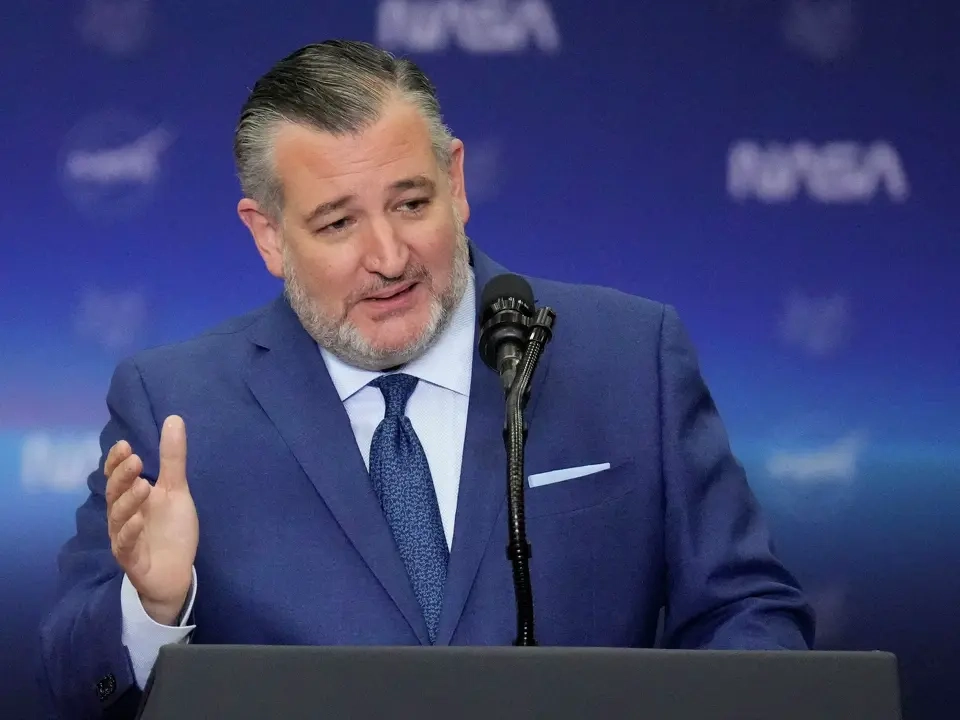
- Senator Ted Cruz’s Cyberattack Warning: Speaking to reporters in Washington on Wednesday, 18 November 2026, Senate Commerce, Science and Transportation Committee Chair Ted Cruz expressed concern that a recent wave of online system outages across aviation, banking, and intelligence sectors could stem from cyberattacks, urging federal agencies to continue investigating despite a lack of current evidence.
- Widespread Disruptions Across Key Sectors: Over the past week, significant system outages have affected Microsoft’s Outlook email platform, the Federal Aviation Administration (FAA) at sites in Arkansas and Texas, United Airlines, JPMorgan Chase, and an internal network at the National Security Agency (NSA).
- Intelligence Assessment Points to Maintenance: Director of National Intelligence Jay Clayton testified during a U.S. House hearing on Wednesday that thorough diligence indicates the disruptions were separate incidents caused by routine maintenance and technical upgrades rather than a coordinated or state-sponsored cyberattack.
- Congressional Scepticism Over Official Explanations: Missouri Republican Senator Josh Hawley voiced scepticism on Tuesday regarding Transportation Secretary Sean Duffy’s explanation that a router update triggered the FAA flight groundings, calling the official account “a little hard to believe”.
- Advancement of Telecommunications Cybersecurity Bill: On Wednesday, the Senate Commerce Committee advanced a bipartisan bill backed by Cruz to convene cybersecurity experts, federal officials, and Silicon Valley executives to establish voluntary security standards for telecommunications companies, drawing criticism from some Democrats over the absence of mandatory compliance rules.
Texas (Texas 24 News) November 18, 2026 – U.S. Senator Ted Cruz has raised public concerns that a week-long succession of digital disruptions affecting critical infrastructure—from air traffic control systems to major financial institutions and intelligence networks—may be linked to hostile cyberattacks. Speaking in Washington on Wednesday, 18 November 2026, the Senate Commerce Committee Chair urged federal investigators to maintain scrutiny following recent warnings from Google regarding the use of advanced artificial intelligence in cyber hacks. However, senior intelligence and administration officials, led by Director of National Intelligence Jay Clayton, countered that exhaustive reviews point toward coinciding technical upgrades and routine maintenance rather than coordinated malicious activity. Concurrently, Cruz’s committee advanced a bipartisan telecommunications cybersecurity bill proposing voluntary industry standards, sparking debate over regulatory enforcement.
- Why Have Lawmakers Questioned Official Explanations for the FAA and Tech Outages?
- What Have Intelligence and Administration Officials Concluded About the Disruptions?
- How Does the Senate Commerce Committee’s New Cybersecurity Bill Address Industry Standards?
- How Do the Affected Systems and Official Assessments Compare?
- Background of the Particular Development After the News
- How This Development Can Affect Telecommunications Providers, Federal Oversight Agencies, and Critical Infrastructure Operators
As reported by James Osborne of the Houston Chronicle Washington Bureau, U.S. Senator Ted Cruz expressed concern on Wednesday, 18 November 2026, that the recent string of online systems going down—spanning air traffic control, commercial banks, and email networks—could be the result of cyberattacks, even as preliminary reports point to other causes for the disruptions.
Addressing reporters in Washington, Ted Cruz, who chairs the Senate Commerce, Science and Transportation Committee, stated that whilst federal agencies are currently reporting no evidence of hacking, he wanted investigators to continue looking into the incidents. As reported by James Osborne of the Houston Chronicle, Ted Cruz stated: “All of these occurring day after day, directly following Google warning people about advanced AI being used for cyber hacks, raises the obvious inference that this is not random or coincidental”. Continuing his remarks on the broader digital threat landscape, Ted Cruz added: “Whether each of these instances was the result of hostile actors is still not determined, but regardless, the threat of hostile attacks online is growing exponentially”.
Over the preceding week, technical failures have struck a series of prominent public and private institutions. Microsoft’s email platform, Outlook, experienced service disruptions, while the Federal Aviation Administration (FAA) grounded flights following equipment failures at aviation control sites in Arkansas and Texas. Additionally, United Airlines, JPMorgan Chase, and the National Security Agency (NSA)—one of the nation’s primary intelligence agencies—all reported internal systems going offline.
Why Have Lawmakers Questioned Official Explanations for the FAA and Tech Outages?
The rapid succession of outages across unrelated sectors has prompted scrutiny on Capitol Hill, with several lawmakers expressing scepticism toward initial administrative explanations:
- Scepticism Over Router Updates: As reported by James Osborne of the Houston Chronicle, U.S. Senator Josh Hawley, a Missouri Republican, told reporters on Tuesday that Transportation Secretary Sean Duffy’s explanation of the FAA outage—namely that a routine router update caused the air traffic control system to go down—was “a little hard to believe”.
- Timing Relative to AI Threat Warnings: Senator Ted Cruz pointed directly to the chronological proximity between the infrastructure failures and recent industry warnings from Google regarding adversaries deploying advanced artificial intelligence tools to execute sophisticated cyber intrusions.
What Have Intelligence and Administration Officials Concluded About the Disruptions?
Despite congressional calls for deeper cyber-forensic scrutiny, senior executive branch and intelligence leaders have uniformly rejected suggestions of a coordinated digital assault:
- Testimony from Director of National Intelligence Jay Clayton: Reiterating the intelligence community’s assessment during a U.S. House hearing on Wednesday, Director of National Intelligence Jay Clayton stated that there is no evidence the disruptions constituted an attack. As reported by James Osborne of the Houston Chronicle, Jay Clayton testified: “Based on what we know today, after a great deal of diligence, these are separate service outages associated with maintenance and technical changes. They are not a coordinated or state-sponsored attack”.
- Simultaneous System Upgrades: In separate media appearances on CNBC and Fox Business, as noted in wire dispatches, Jay Clayton explained that the disruptions appeared to stem from numerous government institutions and private corporations upgrading their computer systems concurrently, noting that the National Security Agency’s classified internal network went offline due to “routine maintenance”.
- Administration Corroboration: Other senior administration officials have echoed Clayton’s assessment, stating there is zero intelligence indicating the outages are linked or caused by a malign actor.
How Does the Senate Commerce Committee’s New Cybersecurity Bill Address Industry Standards?
Through his chairmanship of the Senate Commerce, Science and Transportation Committee, Ted Cruz exercises direct legislative oversight over the nation’s technology companies and air travel infrastructure. On Wednesday, the committee advanced a bipartisan piece of legislation aimed at strengthening digital resilience:
- Public-Private Collaboration: The bill seeks to convene cybersecurity experts, federal officials, and Silicon Valley executives to formulate voluntary security standards for telecommunications companies.
- Debate Over Mandatory Compliance: Some Democratic members of the committee criticized the legislation for failing to mandate corporate compliance. However, Ted Cruz and fellow supporters maintained that rigid statutory mandates inevitably become obsolete as technology evolves.
- Urgency of Defensive Tools: Defending the committee’s legislative approach on Wednesday, as reported by James Osborne of the Houston Chronicle, Ted Cruz stated: “The online environment is only getting more dangerous, and we need to have robust tools to protect ourselves”.
How Do the Affected Systems and Official Assessments Compare?
A structured overview outlines the key institutions impacted over the past week alongside official explanations and congressional reactions:
| Affected Institution / Sector | Reported Disruption | Official / Preliminary Explanation | Congressional & Intelligence Assessment |
| Federal Aviation Administration (FAA) | Grounded flights following equipment failures in Arkansas and Texas. | Transportation Secretary Sean Duffy cited a router update failure. | Sen. Josh Hawley called the router explanation “a little hard to believe”; Sen. Cruz urged continued cyber review. |
| National Security Agency (NSA) | Classified internal network went offline. | Attributed by the agency to “routine maintenance”. | DNI Jay Clayton confirmed the outage resulted from scheduled maintenance rather than an intrusion. |
| Microsoft (Outlook) | Widespread email platform service disruption. | Technical maintenance and system update issues. | Grouped by DNI Jay Clayton as part of separate, non-malicious technical changes. |
| United Airlines & JPMorgan Chase | Operational system outages reported over the past week. | Separate corporate technical and maintenance disruptions. | Sen. Cruz highlighted the cluster of outages as raising inferences beyond coincidence. |
Background of the Particular Development After the News
The debate between congressional oversight leaders and intelligence officials unfolds during a period of heightened anxiety over the fragility of interconnected digital infrastructure in the United States. High-profile software updates and network configuration errors—such as major global IT outages experienced in recent years—have repeatedly demonstrated how routine technical maintenance can trigger cascading disruptions across aviation, banking, and emergency services without any malicious external intrusion.
At the same time, federal cybersecurity agencies and major technology firms, including Google, have issued increasingly urgent warnings throughout 2026 regarding the rapid integration of generative artificial intelligence into offensive cyber operations by state-sponsored adversaries. Because initial symptoms of a sophisticated zero-day cyberattack often mirror routine hardware or router failures during the earliest hours of an incident, lawmakers overseeing transportation and telecommunications frequently press executive agencies for exhaustive forensic verification before accepting technical explanations.
How This Development Can Affect Telecommunications Providers, Federal Oversight Agencies, and Critical Infrastructure Operators
The clash of perspectives between Senate Commerce leadership and the intelligence community is projected to influence regulatory and operational practices across several sectors:
1. Intensified Forensic Reporting Demands for Federal Agencies
For the Federal Aviation Administration, the Department of Transportation, and the Office of the Director of National Intelligence, ongoing congressional scepticism means future infrastructure outages will require faster, more transparent technical post-mortems to reassure lawmakers and the public that hostile cyber actors were not involved.
2. Collaborative Standard-Setting for Telecommunications and Tech Firms
For telecommunications carriers and Silicon Valley technology executives, the advancement of the Senate Commerce Committee’s bipartisan cybersecurity bill signals a legislative preference for agile, industry-led voluntary frameworks over rigid statutory mandates, though companies will still face mounting political pressure to demonstrate measurable resilience against AI-driven threats.
3. Stricter Change-Management Protocols for Aviation and Financial Operators
For critical infrastructure operators in aviation and banking, the public fallout from simultaneous system upgrades underscores the operational risks of poorly coordinated software and router rollouts, prompting stricter internal testing and phased deployment safeguards to prevent widespread service blackouts.