Key Points:
- Final Campaign Sprint: Texas Attorney General Ken Paxton and Democratic State Representative James Talarico are conducting rapid, cross-state campaign tours during the closing days before Election Day in one of the nation’s most closely watched US Senate contests.
- Presidential Backing: President Donald Trump returned to Texas to campaign directly alongside Republican nominee Ken Paxton, aiming to mobilize conservative voter turnout across rural and suburban strongholds.
- Grassroots Rally Strategy: Democratic nominee James Talarico hosted independent rallies, focusing on coalition-building, suburban mobilization, and driving turnout across key battleground counties.
- Analytical Focus on Key Counties: Political reporter Xavier Walton highlighted the decisive role that specific swing and suburban counties will play in determining the final electoral outcome across the state.
- High-Stakes Turnout Battle: Both political campaigns are deploying final-stretch turnout strategies, treating ground operations and voter motivation as the ultimate deciding factors in the tight race.
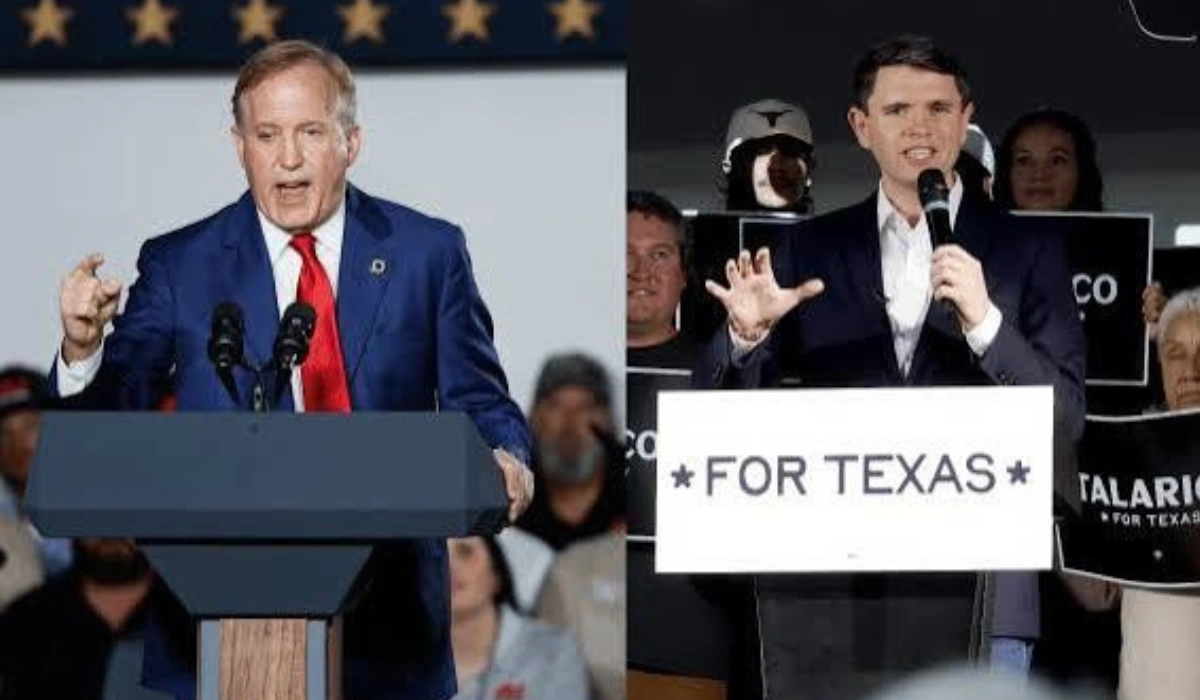
Texas (Texas 24 News) November 2, 2026 – Republican Attorney General Ken Paxton and Democratic State Representative James Talarico have entered the final sprint of the Texas race for the United States Senate, criss-crossing the state in an intensive effort to energize voters ahead of Election Day. As reported by news anchor and political correspondent Xavier Walton, both campaigns are concentrating heavily on turnout strategies in what remains one of the tightest and most highly contested Senate races in the country. Highlighting the high stakes of the contest, President Donald Trump returned to Texas to appear alongside Ken Paxton at high-profile rallies, while James Talarico mobilized supporters through independent regional events across major population centres.
- Key Points:
- How are Ken Paxton and James Talarico structuring their final campaign strategies across Texas?
- Which Texas counties are expected to determine the outcome of the Senate race?
- What role does presidential endorsement play in the final days of the Texas campaign?
- Background of the Texas US Senate Race and Candidates’ Profiles
- Voter Turnout, Party Coalitions, and Post-Election Governance
How are Ken Paxton and James Talarico structuring their final campaign strategies across Texas?
As reported by news correspondent Xavier Walton, both candidates are executing distinct final-stretch strategies designed to maximize voter participation across key demographic groups and geographical regions.
Republican nominee Ken Paxton has centered his closing arguments on consolidating conservative base voters while leveraging prominent national endorsements. Appearing alongside Ken Paxton on stage in Texas, President Donald Trump urged conservative voters to turn out in record numbers, emphasizing alignment on federal judicial appointments, border security, and state economic policies.
Concurrently, Democratic candidate James Talarico has conducted a series of standalone rallies targeted at suburban voters, young professionals, and traditional Democratic bases across Texas’s major metropolitan corridors.
Ken Paxton campaigning in Texas. Source: Adam Gray / Getty Images
James Talarico meeting voters during a campaign event. Source: Alex Wong / Getty Images
According to analysis by Xavier Walton, the campaign teams of both Ken Paxton and James Talarico recognize that turnout in rapidly growing suburban areas and key rural counties will directly dictate the final election outcome.
Which Texas counties are expected to determine the outcome of the Senate race?
As reported by political reporter Xavier Walton, electoral analysts and campaign strategists are focusing on a select group of crucial battleground counties that could swing the overall statewide result.
The analysis highlights key county categories essential to each candidate’s path to victory:
- Metropolitan Suburban Counties: Fast-growing suburban areas surrounding major cities such as Dallas, Houston, and Austin are serving as primary battlegrounds where James Talarico aims to expand Democratic margins among moderate voters.
- Exurban and Rural Strongholds: Rural counties across East and West Texas represent vital strongholds where Ken Paxton relies on overwhelming turnout to secure strong conservative margins.
- Border and South Texas Regions: South Texas counties remain a key focus for both campaigns as each party works to solidify support among Hispanic voters.
Xavier Walton reported that both political operations have targeted resources into these specific electoral zones, recognizing that slight shifts in turnout percentages within these counties will prove decisive.
What role does presidential endorsement play in the final days of the Texas campaign?
As reported by news correspondent Xavier Walton, the active involvement of national political figures has added significant momentum to the closing days of the campaign cycle.
President Donald Trump’s return to Texas to campaign directly alongside Ken Paxton underscores the strategic priority national Republican leaders place on securing the Texas Senate seat. During joint campaign appearances, Donald Trump highlighted Ken Paxton’s legal record as Attorney General, framing the candidate as a dependable conservative champion for the state.
Conversely, James Talarico’s campaign has emphasized a candidate-focused message tailored to state-level issues, contrasting his legislative record as a State Representative with Ken Paxton’s tenure as Attorney General. Addressing rally attendees, James Talarico encouraged voters to evaluate the candidates based on public education funding, healthcare access, and legislative transparency.
Background of the Texas US Senate Race and Candidates’ Profiles
The 2026 Texas race for the United States Senate reflects ongoing shifts within the state’s political landscape. Ken Paxton has served as the Attorney General of Texas since 2015, establishing a prominent national profile through legal challenges against federal administrative policies, defense of state regulatory authority, and alignment with conservative legal movements. His candidacy for the Senate represents a major political bid to transition from state executive leadership to federal legislative office.
James Talarico, a former public school teacher, has served as a member of the Texas House of Representatives since 2018, representing districts in Central Texas. During his legislative tenure, James Talarico built a reputation around public education advocacy, bipartisan legislation on healthcare costs, and reform-minded rhetoric. The head-to-head contest between Ken Paxton and James Talarico showcases a clear contrast in political philosophy, governing background, and vision for Texas’s representation in the US Senate.
Voter Turnout, Party Coalitions, and Post-Election Governance
The close margins and intensive final-stretch campaigning in the Texas Senate race are predicted to yield significant implications for state voter turnout models, national party strategies, and legislative priorities in Washington.
For political strategists and state election officials, the high level of campaign engagement across both rural and suburban counties is predicted to result in elevated overall voter turnout compared to standard mid-term or non-presidential election cycles. If James Talarico achieves high turnout metrics across major suburban corridors, future national Democratic operations will likely increase long-term investments in Texas legislative and statewide contests. Conversely, if Ken Paxton mobilizes overwhelming turnout across rural strongholds and retains suburban conservative bases, Republican strategists will treat the campaign as a proven template for maintaining statewide dominance amidst changing state demographics.
For the winning candidate and the citizens of Texas, the outcome will directly shape the state’s legislative representation in the United States Senate. A victory for Ken Paxton would solidify a staunch conservative voice on judicial confirmations, federal regulatory policy, and constitutional law. A victory for James Talarico would mark a historic shift in Texas representation, bringing an emphasis on federal education policy, bipartisan healthcare initiatives, and democratic institutional reform to Capitol Hill.