Key Points
- Seven-Day Turnout Totals: Nearly 4.5 million registered voters in Texas cast ballots via early in-person voting or mail-in voting during the first seven days of the early voting window.
- Turnout Rate Comparisons: According to data released by the Texas Secretary of State, 23.4% of registered voters participated from 19 October through Sunday, outpacing 2022 turnout but remaining slightly below the 24.3% recorded during the first week of 2018.
- Unprecedented Democratic Primary History: Data analysis covering the first five days showed voters with a history of participating in Democratic primaries comprising 36% of early voters, surpassing the 35% represented by past Republican primary participants.
- Urban Center Record Highs: Harris County recorded a first-day midterm early voting record exceeding 127,000 ballots, while Dallas County logged a first-day record for any election with more than 88,000 ballots cast.
- Latino and Demographic Surges: Hispanic participation comprised 18% of early voters by Friday—an increase of two percentage points over 2024 and three points over 2022 levels.
- Projections for Final Voter Participation: Political analysts project overall turnout could reach 10 million voters by Election Day on 3 November, mirroring the 53% final turnout achieved during the 2018 midterm cycle.
- Record Voter Registration Base: A record 19 million Texans are registered for the current election, reflecting a 7.7% increase compared to voter rolls for the November 2022 midterm.
Texas (Texas 24 News) October 27, 2026 – Nearly 4.5 million Texans have cast ballots during the first seven days of early voting for the 2026 midterm election, surpassing participation rates from 2022 while trailing slightly behind the historic pace set in 2018. Official metrics provided by the Texas Secretary of State reveal that 23.4% of registered voters cast early in-person or mail-in ballots between 19 October and Sunday. The early voting surge features unprecedented early participation figures from voters with past Democratic primary voting history, driven by record-setting daily totals in major urban counties such as Harris and Dallas. Political consultants predict a major acceleration in voter activity through the conclusion of early voting on Friday ahead of Election Day on 3 November.
- Key Points
- What Do the Official Seven-Day Early Voting Numbers Show Across Texas?
- Why Are Experts Cautioning Against Definitive Interpretations of Early Voting Trends?
- What Does Primary Participation Data Reveal About Early Voters?
- How Are Urban and Rural Geographic Divisions Shaping Turnout Dynamics?
- Background of the Particular Development
- How This Development Can Affect Political Campaigns and Election Administrators
What Do the Official Seven-Day Early Voting Numbers Show Across Texas?
As reported by journalists Zach Leggio and Dan Keemahill of The Texas Tribune, official figures from the Texas Secretary of State show that nearly 4.5 million voters engaged in the electoral process during the initial week of early voting, which ran from 19 October through Sunday.
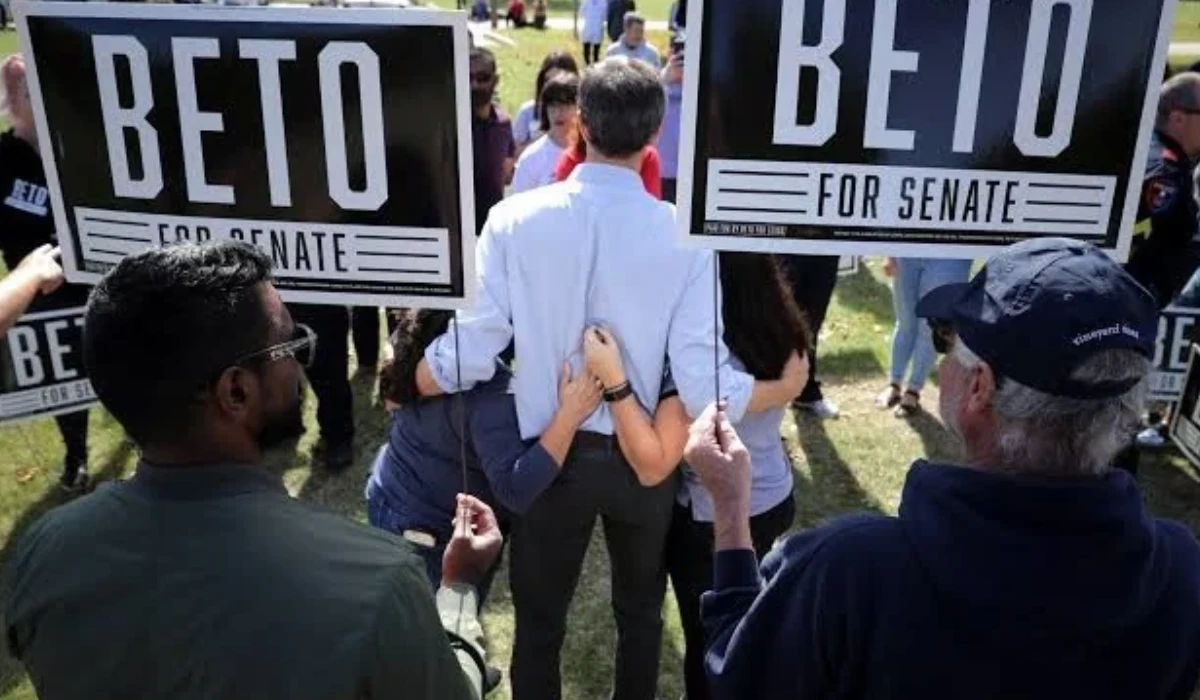
As reported by Zach Leggio and Dan Keemahill of The Texas Tribune, 23.4% of registered Texas voters had cast a ballot or voted by mail within those first seven days. By comparison, the turnout rate during the equivalent seven-day period in the 2018 midterm election—when Democrat Beto O’Rourke challenged Republican US Senator Ted Cruz—stood at 24.3%.
As reported by Zach Leggio and Dan Keemahill of The Texas Tribune, Republican consultant and data analyst Derek Ryan indicated that the pace is set to increase significantly during the final stretch of the early voting calendar. As reported by Zach Leggio and Dan Keemahill of The Texas Tribune, Derek Ryan stated that “We could see anywhere between maybe 20 to 30% of the votes that get cast in this election get cast on Wednesday, Thursday and Friday this week”. Ryan further predicted that final statewide turnout could reach as high as 10 million voters, matching the 53% overall turnout seen in 2018.
Why Are Experts Cautioning Against Definitive Interpretations of Early Voting Trends?
As reported by Zach Leggio and Dan Keemahill of The Texas Tribune, political scientists and state campaign analysts emphasize that early voting data provides an incomplete picture of final results because Texas voters do not register by political party.
As reported by Zach Leggio and Dan Keemahill of The Texas Tribune, Mark Jones, a professor of political science at Rice University, addressed the challenges of interpreting raw totals. As reported by Zach Leggio and Dan Keemahill of The Texas Tribune, Mark Jones stated that “I think there’s sometimes a tendency to over-interpret early vote numbers because we don’t have good benchmarks. It’s an evolving process, and every election tends to be a little unique”. Analysts rely on prior primary voting records, demographic modeling, and county-level reporting to evaluate broader trends.
What Does Primary Participation Data Reveal About Early Voters?
As reported by Zach Leggio and Dan Keemahill of The Texas Tribune, an analysis of the first five days of early voting conducted by Derek Ryan showed that individuals who previously participated in a Democratic primary constituted 36% of total ballots cast. Past Republican primary participants made up 35%, while voters with no prior primary history or general election-only records represented 25%, and 4% maintained mixed primary histories.
As reported by Zach Leggio and Dan Keemahill of The Texas Tribune, Derek Ryan emphasized the unusual nature of these initial breakdowns. As reported by Zach Leggio and Dan Keemahill of The Texas Tribune, Derek Ryan stated that “This is actually new territory. I don’t think that I ever recall a point where voters with previous Democratic primary history have outnumbered voters with previous Republican primary history. … In 2022 and 2024 at this point, even in those earlier days, Republican primary voters were making up larger shares”.
Evaluating the partisan dynamics, as reported by Zach Leggio and Dan Keemahill of The Texas Tribune, GOP strategist Vinny Minchillo noted that early Democratic enthusiasm has served to mobilize Republican voters across the state. As reported by Zach Leggio and Dan Keemahill of The Texas Tribune, Vinny Minchillo stated that “Their enthusiasm numbers and polls are not what the Democrats are, but that doesn’t mean they’re not going to show up. After the first or second day of early voting, you’ve seen Republicans getting out. … So I have to say on behalf of Republicans everywhere, I am cautiously optimistic”.
How Are Urban and Rural Geographic Divisions Shaping Turnout Dynamics?
As reported by Zach Leggio and Dan Keemahill of The Texas Tribune, Democratic strategist Matt Angle highlighted geographic and demographic distribution as key indicators for his party.
As reported by Zach Leggio and Dan Keemahill of The Texas Tribune, Matt Angle stated that “If you’re looking at turnout based on where it’s coming from, voter history and the racial makeup, then Democrats are doing better. They’re ahead of the pace that was in 2022 for sure. There’s every reason to be optimistic but also it’s important to be realistic — we don’t know how people are voting”.
What Benchmarks Are Being Set in Major Texas Metro Areas?
Urban turnout has set historic milestones during the opening phase of early voting. As reported by Zach Leggio and Dan Keemahill of The Texas Tribune, Harris County, the state’s most populous county, established a first-day midterm early voting record when over 127,000 citizens voted. Similarly, Dallas County set a record for the highest first-day early vote in any election in its history, exceeding 88,000 cast ballots.
Matt Angle noted that Democratic benchmarks target approximately 40% of the final statewide vote originating from large urban counties, while keeping rural county participation below 25%—benchmarks currently being met in early returns.
What Impact Is Seen Among Latino Voters and Uncommitted Republicans?
Regarding demographic shifts, data compiled by Derek Ryan reveals that Hispanic voters represented 18% of total early voters through Friday, reflecting a two percentage point increase over 2024 and a three point increase over 2022 levels. As reported by Zach Leggio and Dan Keemahill of The Texas Tribune, Matt Angle commented on this shift, stating that “Hispanics have figured out that Republicans target them and are openly hostile to Hispanics as a group. I think they’re reacting accordingly,” adding that Democratic strategists hope Latino turnout ultimately reaches 24% of the final vote.
Conversely, data analyst Derek Ryan pointed to a substantial pool of conservative voters who have yet to participate. As reported by Zach Leggio and Dan Keemahill of The Texas Tribune, Derek Ryan noted that more than 2.1 million Texans who voted in at least one of the last four Republican primaries have not yet cast a ballot in this election. As reported by Zach Leggio and Dan Keemahill of The Texas Tribune, Derek Ryan stated that “For Republicans to have any chance of victory, they’re going to need to see a significant number of that 2.1 million to show up to vote. We’ll start really knowing what the picture looks like by Thursday or Friday”.
Official voter rolls in Texas currently stand at a record 19 million registered voters for the 3 November election, marking a 7.7% increase compared to voter registration totals reported ahead of the 2022 midterm.
Background of the Particular Development
Texas has historically operated as a low-turnout state in midterm elections compared to presidential election cycles, with state voter participation strongly influenced by top-of-ticket statewide races and rapid population growth. In the 2018 midterm election, high-profile campaigns and intense national focus drove a dramatic escalation in voter participation, culminating in a 53% overall turnout rate that stood as a multi-decade high for non-presidential elections in Texas.
Since 2018, Texas voter registration numbers have expanded dramatically, adding millions of new residents to the voter rolls across major metropolitan areas, including Greater Houston, the Dallas-Fort Worth metroplex, Austin, and San Antonio. Concurrently, changes to state election laws governing mail-in ballot procedures, polling place operations, and county election administration have altered early voting logistics. The 2026 early voting figures represent the first midterm test of these updated administrative frameworks against a backdrop of record voter registration reaching 19 million citizens.
How This Development Can Affect Political Campaigns and Election Administrators
The early voting turnout trends established during the first week of voting in Texas are expected to directly impact several key operational and political groups:
- Campaign Field Operations and Resource Allocation: With over 2.1 million consistent Republican primary voters identified as not yet having voted, GOP field campaigns will heavily concentrate digital advertising, direct mail, and door-to-door canvassing resources toward driving these individuals to polling locations before early voting closes on Friday. Simultaneously, Democratic field operations will focus on maintaining momentum in urban centers and expanding contact with Latino voters to meet their 24% statewide goal.
- County Election Administrators and Poll Workers: With projections indicating that 20% to 30% of total election votes could be cast during the final three days of early voting (Wednesday through Friday), county election departments—particularly in high-density areas like Harris, Dallas, Tarrant, and Bexar counties—must prepare for peak ballot processing and extended polling queue management to handle high volume efficiently.
- Political Strategists and Media Analysts: As county reporting continues toward Election Day on 3 November, analysts will closely monitor Thursday and Friday return data to determine whether the early Democratic primary participant advantage holds or if late early voting shifts back toward traditional Republican turnout patterns ahead of the final Election Day vote tally.